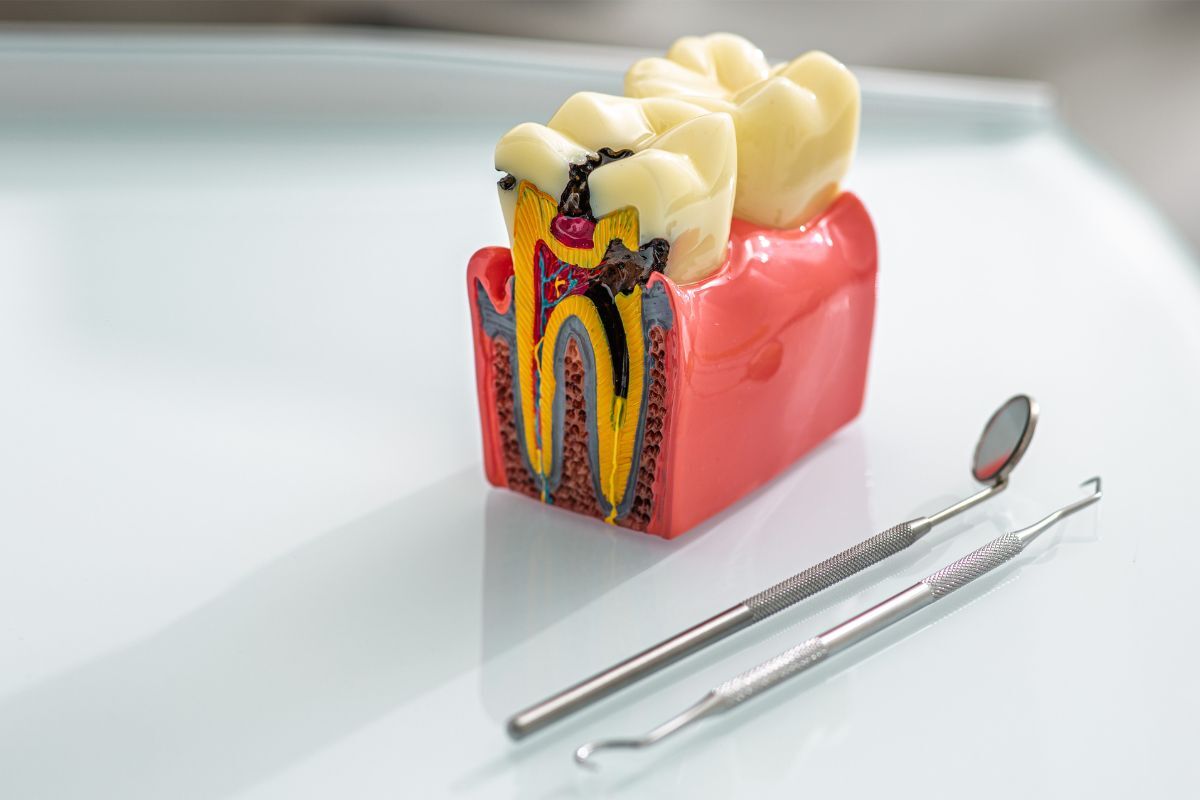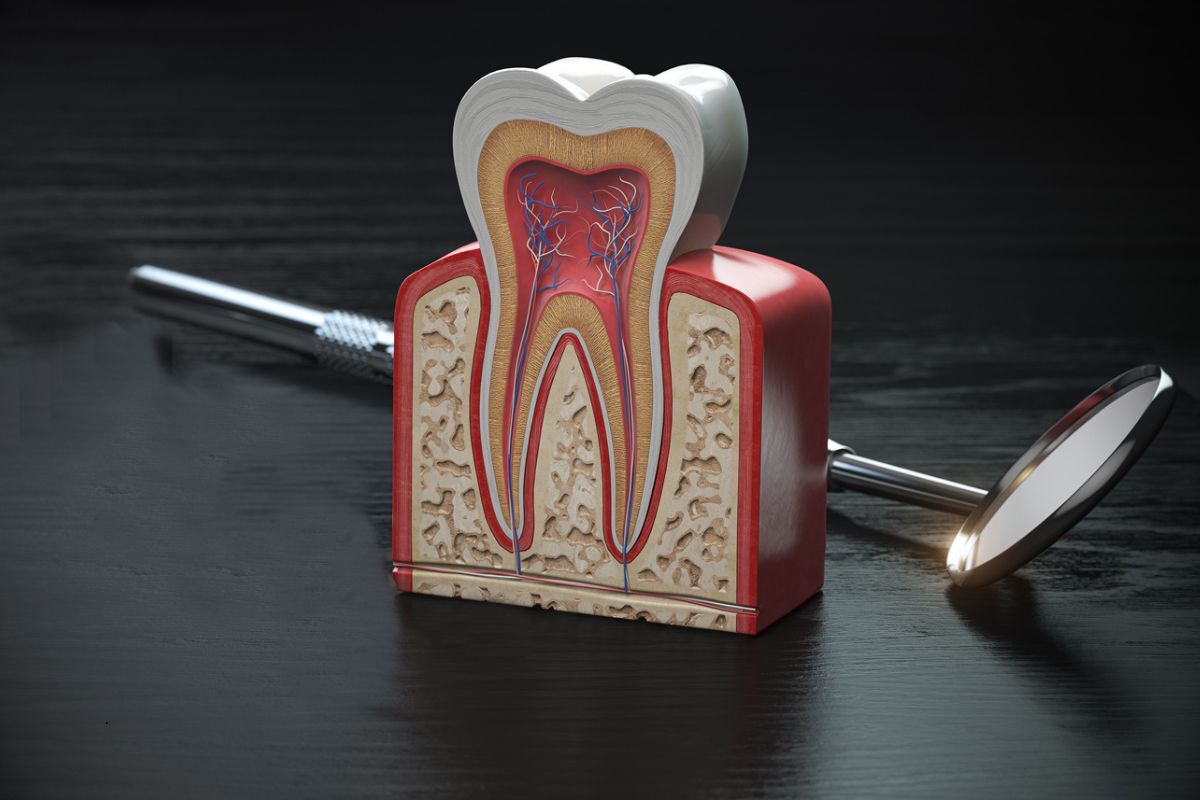
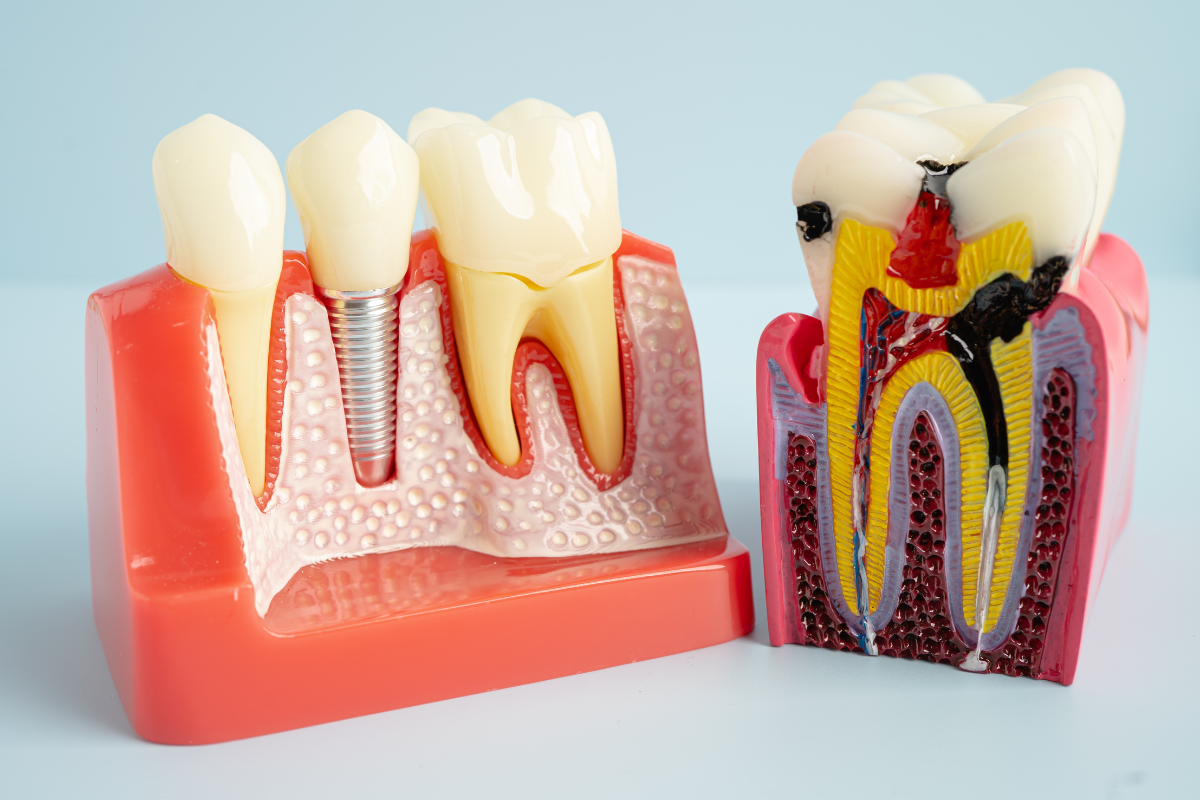
The most common signs you need root canal treatment include persistent tooth pain, sensitivity to hot or cold, swollen gums, tooth discoloration, and signs of infection such as a pimple on the gums. These symptoms often indicate damage or infection inside the tooth pulp that requires professional care.
If left untreated, these tooth infection symptoms can worsen, leading to abscesses, bone loss, or even tooth loss.
What Is a Root Canal Treatment?
A root canal treatment is a dental procedure used to remove infected or inflamed pulp (the soft tissue inside your tooth), clean and disinfect the area, and seal it to prevent further infection.
Definition Block:
Root canal treatment = removal of infected pulp + cleaning of root canals + sealing to save the natural tooth.
This procedure helps preserve your natural tooth while eliminating infection and pain.
Why Would You Need a Root Canal?
You may need a root canal when bacteria enter the inner pulp of the tooth due to:
- Deep tooth decay
- Cracked or chipped teeth
- Repeated dental procedures on the same tooth
- Trauma or injury
Without treatment, the infection can spread beyond the tooth root into surrounding bone and tissue.
7 Signs You Need Root Canal Treatment
1. Persistent or Severe Tooth Pain
Ongoing pain is one of the most common severe tooth pain causes.
- Pain may occur while chewing or applying pressure
- It can be constant or come and go
- It may radiate to the jaw, ear, or other teeth
Quick Answer: Pain that doesn’t resolve on its own is a major warning sign of pulp infection.
2. Sensitivity to Hot or Cold That Lingers
If your tooth reacts strongly to hot coffee or cold drinks and the discomfort lingers after the stimulus is removed, it may indicate nerve damage.
- Short sensitivity = usually minor
- Lingering sensitivity = possible pulp infection
3. Swollen or Tender Gums
Swelling around a specific tooth may signal infection.
- Gums may feel tender or appear puffy
- Swelling may come and go
- In advanced cases, pus may be present
This is one of the more visible tooth infection symptoms.
4. Tooth Discoloration (Darkening)
A tooth turning gray or dark yellow can indicate internal damage.
- Often caused by nerve death inside the tooth
- Common after trauma or untreated decay
Discoloration is not just cosmetic—it may signal deeper issues.
5. A Pimple or Abscess on the Gums
A small bump (often called a dental abscess) on the gums is a serious warning sign.
- May release pus
- Can cause a bad taste in the mouth
- Often associated with infection spreading beyond the tooth
Quick Answer: A gum abscess almost always requires immediate dental evaluation.
6. Pain When Chewing or Touching the Tooth
If biting down causes sharp pain, it may mean the infection has reached the root.
- Pain may worsen over time
- Pressure sensitivity is a key indicator
7. Cracked or Chipped Tooth with Pain
A damaged tooth allows bacteria to enter the pulp.
- Even small cracks can lead to infection
- Pain may not appear immediately but can develop over time
When Is a Root Canal Required?
A root canal is typically required when:
- The pulp inside the tooth becomes infected or inflamed
- Pain becomes persistent or severe
- Infection spreads to surrounding tissues
Important: Early diagnosis can prevent complications and increase the chances of saving the tooth.
For patients in and around Tualatin, early evaluation by a dental professional can make a significant difference in treatment outcomes.
Experiencing any of these symptoms? Call us today to get expert guidance and take the first step toward saving your tooth and relieving discomfort.
Step-by-Step: How Root Canal Treatment Works
- Examination and Imaging
The dentist examines the tooth and may take X-rays to assess infection. - Local Anesthesia
The area is numbed to ensure comfort during the procedure. - Removal of Infected Pulp
The dentist creates a small opening and removes the damaged pulp. - Cleaning and Disinfection
The root canals are thoroughly cleaned and shaped. - Filling and Sealing
The canals are filled with a biocompatible material and sealed. - Restoration (Often a Crown)
A crown may be placed to restore strength and function.
Benefits of Root Canal Treatment
- Preserves your natural tooth
- Eliminates infection and pain
- Prevents spread of bacteria
- Restores normal chewing function
- Avoids tooth extraction
Risks and Considerations
While generally safe, root canal treatment may involve:
- Mild discomfort after the procedure
- Rare cases of reinfection
- Need for additional restoration (like a crown)
- Prompt care reduces these risks significantly.
Aftercare and Recovery Tips
To ensure proper healing:
- Avoid chewing on the treated tooth until fully restored
- Maintain good oral hygiene
- Take prescribed medications as directed
- Attend follow-up appointments
Most patients return to normal activities within a day.
When Should You See a Dentist?
You should seek evaluation if you notice:
- Persistent tooth pain
- Swelling or gum tenderness
- Sensitivity that lingers
- Signs of infection like pus or bad taste
Delaying care can lead to more complex dental issues.
If you’re noticing multiple symptoms or worsening pain, it could indicate a more serious infection. Read our detailed guide on Tooth Infection Symptoms: How to Know If You Need a Root Canal Urgently to understand when immediate care may be necessary.
Frequently Asked Questions (FAQs)
How do I know if I need a root canal or just a filling?
If the decay has reached the pulp and caused infection, a root canal is needed. Mild decay usually only requires a filling.
Is root canal treatment painful?
Modern techniques and anesthesia make the procedure similar to getting a filling, with minimal discomfort.
How long does a root canal take?
Most procedures take 60–90 minutes and may require one or two visits.
Can a tooth heal without a root canal?
No. Once the pulp is infected, it cannot heal on its own and requires treatment.
What happens if I delay a root canal?
The infection can spread, leading to abscess, bone damage, and potential tooth loss.
Are antibiotics enough to treat a tooth infection?
Antibiotics may reduce symptoms temporarily but do not eliminate the source of infection inside the tooth.
Can I eat after a root canal?
Yes, but avoid hard or chewy foods until the tooth is fully restored.
Conclusion
Recognizing early tooth infection symptoms can help you avoid serious dental complications. If you notice persistent pain, swelling, or sensitivity, it’s important to seek professional evaluation promptly.
Don’t wait for the problem to worsen—schedule an evaluation today and let our dental experts provide the care you need to protect your oral health.