
You brush twice a day.
You look in the mirror.
Your teeth seem fine.
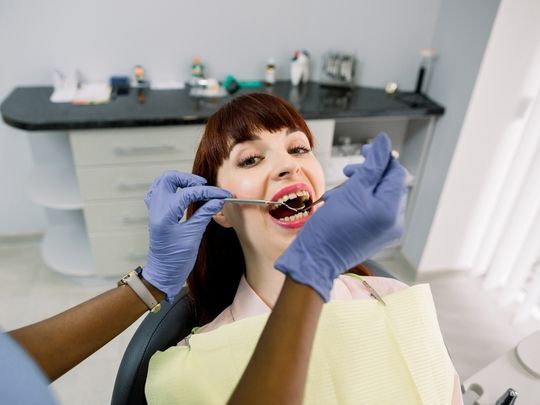
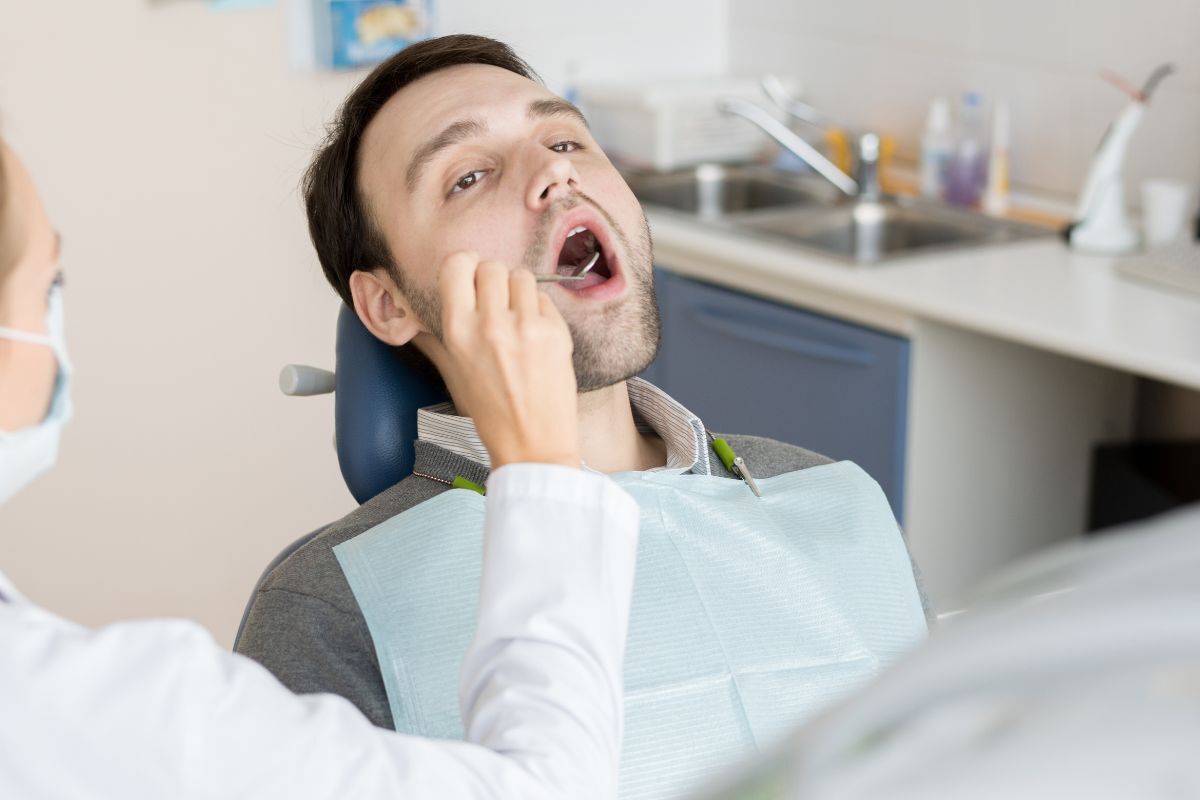
But during a routine dental checkup, a dentist can often spot early warning signs within seconds — long before pain, swelling, or visible damage ever appears.
That’s what surprises many patients in Tualatin. Experienced Tualatin dental professionals are trained to notice subtle changes in enamel, gum texture, bite alignment, and oral hygiene habits that can quietly point to problems developing underneath the surface. Most people never notice these small warning signs until the issue becomes harder — and more expensive — to treat.
What Dentists Notice Teeth Reveal Before Symptoms Start
One of the biggest misconceptions about oral health is believing that “no pain” means “no problem.”
In reality, dentists are trained to identify subtle patterns that often appear months or even years before a patient experiences discomfort.
During a dental checkup, a dental professional may immediately notice:
- Early enamel erosion
- Signs of nighttime grinding
- Gum inflammation
- Tiny fractures in teeth
- Bite imbalance
- Acid damage
- Dry mouth patterns
- Hidden tooth decay
- Changes in smile appearance
- Oral hygiene blind spots
Many of these issues are painless in the beginning. That’s why preventive care matters so much.
The Smallest Changes in Enamel Tell a Bigger Story
Your enamel is incredibly strong, but it still records daily wear over time.
Dentists often notice enamel changes before patients ever feel sensitivity. These can include:
- Flattened edges from grinding
- Translucent tooth tips
- Tiny chips
- Surface roughness
- Yellowing from thinning enamel
- Acid erosion near the gumline
These patterns can reveal habits patients don’t realize they have — especially stress-related clenching or acidic drink consumption.
Many subtle dental issues develop gradually, which is why patients often overlook them until symptoms worsen. Learning how to recognize these small tooth changes earlier can help prevent more serious oral health complications later.
Why This Matters
Once enamel is significantly damaged, it cannot regenerate naturally. Early detection may help patients avoid:
- Dental crowns
- Larger restorations
- Severe tooth sensitivity
- Cracked teeth
- Advanced restorative dentistry procedures
Your Gums Often Show Problems Before Your Teeth Do
Patients usually focus on teeth color or straightness. Dentists, however, often look at the gums first.
Why?
Because gum tissue can reveal inflammation long before obvious symptoms appear.
Early gum disease may look like:
- Slight puffiness
- Shiny gum texture
- Receding gums
- Minor bleeding points
- Darkened areas between teeth
Many patients assume occasional bleeding during brushing is normal. It isn’t.
Even mild inflammation can signal bacterial buildup affecting oral health beneath the gumline.
Bite Alignment Problems Are Easier to Spot Than Patients Think
One of the first things a dental professional notices is how teeth come together when you bite.
Uneven pressure patterns can quietly cause:
- Jaw soreness
- Headaches
- Tooth fractures
- Worn enamel
- Loose restorations
- TMJ discomfort
Interestingly, many patients adapt to these symptoms so gradually that they stop noticing them.
But dentists can often identify bite issues simply by observing wear patterns or tiny stress fractures on the teeth.
Common Signs of Bite Imbalance
| What Dentists See | What Patients Often Feel |
| Flattened teeth | Mild jaw tension |
| Tiny fractures | Sensitive teeth |
| Uneven enamel wear | Occasional headaches |
| Gum recession | Tooth soreness |
| Cheek biting marks | Facial fatigue |
Dentists Can Often Detect Stress Through Your Teeth
Stress affects more than sleep and mood. It frequently shows up in oral health.
Clenching and grinding — especially during sleep — leave subtle clues, including:
- Worn enamel edges
- Scalloped tongue edges
- Jaw muscle tension
- Hairline tooth cracks
- Gum recession near pressure points
Many patients in Tualatin are surprised to learn their teeth are revealing stress patterns they never noticed themselves.
Hidden Tooth Decay Rarely Starts Where Patients Look
Most people check the front of their teeth in the mirror.
Dentists examine the areas patients can’t easily see:
- Between teeth
- Around old fillings
- Near the gumline
- Behind molars
- Under dental crowns
That’s where early tooth decay commonly develops.
A cavity may remain painless for a long time while bacteria continue damaging the tooth structure underneath. By the time sensitivity appears, treatment may already be more involved.
Dry Mouth Is More Serious Than Many Patients Realize
A dry mouth isn’t just uncomfortable.
Saliva helps protect teeth from bacteria and acid damage. Reduced saliva flow can increase the risk of:
- Tooth decay
- Bad breath
- Gum disease
- Oral infections
- Enamel erosion
Dentists often recognize dry mouth patterns quickly because they can see how the tissues and enamel respond over time.
Certain medications, stress, dehydration, and mouth breathing can all contribute.
Patient Trust & Experience
Many patients postpone dental visits because nothing feels “wrong” yet. But subtle issues like enamel wear, small cracks, or early gum inflammation often develop quietly before symptoms become obvious.
One Google review for Lakeside Family & Cosmetic Dentistry reflects how much patient comfort and communication matter during ongoing dental care. Brynley Guille shared,
Dr. Molly and Dr. Amanda are seriously the best. I’ve been sort of a regular at this practice in the last 6 months and both Doctors, Alexis, Megan, and Melissa are angels. They all make every visit fun and are very accommodating. Highly recommend.
Experiences like this help patients feel more confident about staying consistent with preventive care and routine dental checkups. That consistency is important because many dental concerns are far easier to manage when they’re identified early — before they become painful or more complex to treat.
Patients looking for a trusted dental professional in Tualatin can also explore more patient experiences and read more Google reviews to learn how others feel about their care at Lakeside Family & Cosmetic Dentistry.
Why Routine Dental Checkups Catch What Mirrors Miss
Even patients with good oral hygiene habits can miss early warning signs.
Professional exams help identify:
- Early gum disease
- Developing cavities
- Enamel wear
- Bite problems
- Failing dental work
- Oral tissue changes
- Signs of grinding
- Preventive care opportunities
Routine visits are less about “finding problems” and more about protecting long-term oral health before issues become disruptive.
For patients searching online for a “dentist near me” or a trusted dentist Tualatin families rely on, preventive care remains one of the most valuable long-term investments in overall health.
Preventive dental care is most effective when patients have a trusted long-term dental home. If you’re comparing providers, understanding what to look for when choosing the right dental clinic in Tualatin can help you make a more confident decision for your ongoing oral health needs.
When Should You Schedule a Dental Checkup?
You should consider seeing a dentist if you notice:
- Bleeding gums
- Tooth sensitivity
- Persistent bad breath
- Jaw discomfort
- Changes in bite alignment
- Cracked or chipped teeth
- Dry mouth
- Staining or enamel changes
Even subtle symptoms can point to underlying concerns that are easier to address early.
Patients interested in related services like cosmetic dentistry, restorative dentistry, or dental implant service can also benefit from a comprehensive evaluation to understand how overall oral health affects treatment outcomes.
If you’ve been noticing changes in your teeth, gums, or bite, now may be the right time to schedule a dental checkup with experienced Tualatin dental professionals. Call Lakeside Family & Cosmetic Dentistry today to discuss your concerns, ask questions about treatment options, or book your next visit.
FAQs About What Dentists Notice First
What do dentists notice first during a dental checkup?
Dentists often first evaluate gum health, enamel condition, bite alignment, and signs of inflammation or wear before focusing on cosmetic concerns.
Can dentists tell if you grind your teeth?
Yes. Dentists commonly identify grinding through flattened teeth, enamel wear, jaw tension, and tiny stress fractures.
Why do my gums bleed if I brush every day?
Bleeding gums may indicate inflammation caused by plaque buildup, aggressive brushing, or early gum disease.
Can a dentist detect health problems from teeth?
In some cases, oral symptoms may suggest broader health concerns such as acid reflux, stress-related grinding, dry mouth, or nutritional deficiencies.
How often should I get a dental checkup?
Most patients benefit from dental checkups every six months, though some may need more frequent visits depending on oral health conditions.
What causes enamel erosion?
Common causes include acidic foods and drinks, grinding, dry mouth, acid reflux, and aggressive brushing habits.
Is tooth sensitivity always a cavity?
No. Sensitivity can also result from enamel wear, gum recession, cracks, or bite pressure issues.
What areas of the mouth do patients usually miss when brushing?
Patients commonly miss behind molars, along the gumline, and between teeth where plaque and bacteria accumulate more easily.
Protect the Small Signs Before They Become Bigger Problems
The earliest signs of dental issues are often subtle. That’s why routine exams matter — not because something already hurts, but because prevention gives you more options and fewer complications later.
At Lakeside Family & Cosmetic Dentistry, patients throughout Tualatin receive personalized care focused on long-term oral health, education, and early detection.