You finally decided to do it. After months, maybe years, of covering your smile in photos, steering around crunchy foods, or holding back mid-laugh, you’re ready to look into dental implants. It’s a big step. It’s also a real financial investment, and that combination brings up one question almost every patient asks quietly, if at all: what if it doesn’t work?
Implant failure isn’t common. But when it happens, it almost always traces back to one avoidable mistake, and most patients don’t even realize they’re making it until months into the process. If you’re researching dental implant surgery in Tualatin, this is the one thing worth understanding before you book anything.
The #1 Mistake: Skipping the Real Planning Phase
Most patients assume dental implant surgery starts the day they sit in the chair for the procedure. In reality, the work that determines success happens weeks earlier, during implant planning. That includes evaluating bone density, checking gum health, mapping your bite, and building a timeline based on how your body actually heals, not a generic average.
The number one mistake is treating that planning phase as optional. Patients sometimes choose a provider based on the fastest appointment or the lowest quoted price, without asking whether a full evaluation, including 3D imaging, is even part of the plan. Surgery without that groundwork is where problems start.
Why This Mistake Happens So Often
It’s rarely about carelessness. Patients are often anxious to get the process over with, or a clinic emphasizes speed as a selling point. Missing teeth affect eating, speaking, and confidence every single day, so the pull toward a fast fix is completely understandable. The problem is that dental implant preparation isn’t a step you can shortcut without consequences later.
Why It Matters: Implants Are a Long-Term Investment
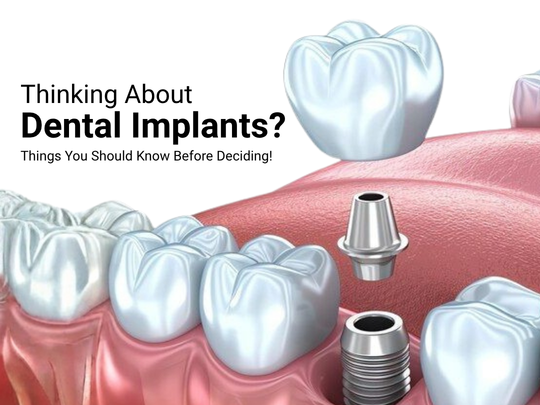
A dental implant isn’t like a filling you can easily redo. It’s designed to fuse with your jawbone and function for decades. That permanence is exactly why the planning stage carries so much weight. Get it right, and you’re looking at a tooth replacement that feels and functions like your own. Get it wrong, and you may be facing implant failure, additional bone grafting, and a second round of costs and healing time.
While proper planning is essential, timing matters too. Delaying treatment after losing a tooth can lead to additional bone loss and more complex procedures later. If you’re wondering whether it’s better to wait, read our guide: Why Waiting Too Long for a Dental Implant Can Cost You More Than You Think.
The Real Risks of Skipping Proper Preparation
When dental implant planning gets rushed, a few things tend to go wrong down the line:
- Implant failure or rejection, often tied to insufficient bone support that wasn’t caught beforehand
- Bone loss around the implant site, sometimes requiring bone grafting after the fact instead of before
- Infection or gum disease that was present but untreated going into surgery
- Bite misalignment, which puts uneven pressure on the implant and surrounding teeth
| Did You Know?Dental implants are widely reported to have high long-term success rates when they’re properly planned, with imaging, bone evaluation, and gum health all checked beforehand. That success rate tends to drop noticeably when those preparation steps are skipped or rushed. |
The Professional Solution: A Thorough Implant Consultation
A proper dental implant consultation isn’t just a conversation. It’s a diagnostic process. At a minimum, it should include a 3D CBCT scan to assess bone density and map nerve position, a full evaluation of your gum health, a review of your bite alignment, and an honest discussion about whether bone grafting is needed before implant placement. From there, your dentist can build a treatment plan and a healing timeline based on your mouth, not a brochure.
This is also where dental implant planning earns its reputation as the single most predictive factor in implant success. Patients who go through a complete evaluation tend to have smoother healing, fewer surprises, and results that hold up for years.
Rushed Booking vs. Thorough Implant Planning
Here’s a quick side-by-side look at what changes when the planning phase is done right.
| Planning Step | Rushed Approach | Thorough Implant Planning |
| 3D Imaging & Bone Scan | Skipped or minimal | CBCT scan reviews bone density and nerve position |
| Gum Health Evaluation | Assumed healthy | Gum disease treated before surgery, not after |
| Bite & Alignment Check | Rarely discussed | Bite mapped so the implant sits correctly long-term |
| Healing Timeline | “One and done” promise | Realistic timeline based on your bone and healing rate |
| Long-Term Success Rate | Higher failure risk | Higher predictability and fewer follow-up surgeries |
Meet Dr. Amanda Gallegos

Dr. Amanda Gallegos is committed to helping patients make confident, informed decisions about replacing missing teeth. She understands that successful dental implant treatment begins long before the procedure itself, with careful planning, advanced diagnostics, and a personalized approach to care.
At Lakeside Family & Cosmetic Dentistry, Dr. Gallegos takes the time to evaluate each patient’s oral health, bone structure, and treatment goals before recommending a solution. Whether you need a single implant or a more comprehensive restorative plan, her focus is on creating long-lasting, predictable results while making you feel comfortable and informed every step of the way.
Schedule a consultation with Dr. Amanda Gallegos to learn whether dental implants are the right choice for your smile.
⭐⭐⭐⭐⭐ Israel Luke
Excellent service. Consistent reminders and gentle procedures. Looking forward to my next visit!
How to Protect Your Dental Implant Investment
- Ask about imaging upfront. Confirm a 3D scan is part of your consultation before you agree to a surgery date.
- Get a straight answer on bone density. If grafting might be needed, you want to know that before treatment, not during.
- Treat gum disease first. Active gum disease should be addressed before an implant is placed, not alongside it.
- Ask about your realistic timeline. Healing varies person to person. Be cautious of any provider promising the exact same timeline for everyone.
- Choose experience over speed. A practice that takes time to plan properly is protecting the same investment you are.
Planning your treatment carefully is only the first step. Long-term success also depends on how you care for your implant after it’s placed. Learn what affects implant longevity in our guide: How Long Do Dental Implants Really Last? Lifespan, Care Tips & What Most Patients Don’t Know.
| Protect Your Smile Before You Commit to Surgery If you’re weighing dental implant surgery in Tualatin, Tigard, Lake Oswego, West Linn, Sherwood, or the greater Portland metro area, a proper consultation is the safest first step. Spots fill quickly, especially for patients who need bone grafting worked into their timeline. Call Us to Book Your Consultation With Lakeside Family & Cosmetic Dentistry! |
Frequently Asked Questions
1. What is the biggest mistake patients make before dental implant surgery?
The most common mistake is skipping a thorough implant consultation, including 3D imaging and a bone density evaluation, in favor of booking surgery quickly based on price or timeline alone.
2. How long does dental implant planning usually take?
It varies by patient, but a proper evaluation, imaging, and treatment plan typically takes a few weeks before surgery is scheduled, longer if bone grafting is needed first.
3. Can you get dental implants without a bone graft?
Many patients can, but it depends entirely on your bone density at the implant site. A 3D scan during your consultation is the only reliable way to know.
4. What happens if a dental implant fails?
If a dental implant fails to integrate with the jawbone or becomes unstable, it usually needs to be removed. After the area heals, your dentist may recommend bone grafting before placing a new implant.
5. How painful is dental implant surgery?
Most patients describe mild to moderate discomfort that can be managed with standard pain medication. Recovery is often similar to what you’d experience after a tooth extraction.
6. How long is recovery after dental implant surgery?
Initial healing typically takes one to two weeks, while the implant usually takes several months to fully fuse with the jawbone before the permanent crown is placed.
7. Are dental implants worth it for a single missing tooth?
For most patients, yes. Dental implants help preserve jawbone health, restore normal chewing function, and replace a missing tooth without relying on neighboring teeth for support like a traditional bridge.
8. How do I know if I’m a good candidate for dental implants?
The best way to find out is through a comprehensive consultation that includes 3D imaging, a review of your gum health, bone density, and overall oral health to determine whether dental implants are the right option for you.