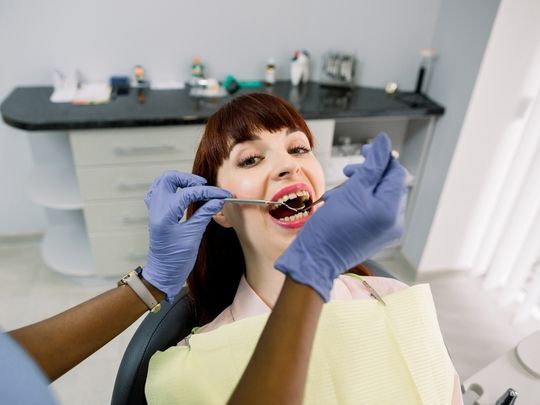

You bite into an apple on Monday without a second thought. By Thursday, the same bite sends a jolt straight through your jaw. If that sounds familiar, you’re not imagining things, and you’re not alone. Intermittent tooth sensitivity – the kind that shows up unpredictably and then seems to disappear, is one of the most common (and most confusing) dental symptoms people in Tualatin bring up with a dental professional at their checkups.
It’s easy to brush off a one-time twinge. But when the pattern keeps repeating, your teeth are usually trying to tell you something specific. This guide breaks down what’s actually happening beneath the surface, why the sensitivity comes and goes instead of staying constant, and when it’s worth having someone take a closer look.
The Confusing Pattern of Tooth Sensitivity That Comes and Goes
What “Intermittent” Really Means
Constant tooth pain is easy to take seriously – it doesn’t let you ignore it. Intermittent tooth sensitivity is trickier because it hides in plain sight. You might feel a sharp zing from ice water on a Tuesday, then eat a popsicle pain-free the following weekend. That inconsistency can make people assume nothing is really wrong, when in fact the underlying cause is very much still there.
Why This Pattern Throws People Off
Sensitivity depends on how exposed the inner layer of your tooth, called dentin, is at any given moment. Dentin is covered by enamel above the gumline and by gum tissue below it. When either layer is thinned, irritated, or temporarily disturbed — by brushing too hard, a shift in your bite, or even a few days of extra citrus in your diet — the nerve inside the tooth becomes more reactive. As conditions change day to day, so does what triggers the pain.
| Did You Know? Intermittent tooth sensitivity is discomfort that appears only under certain conditions — like temperature, pressure, or specific foods — rather than being constant. It happens when the microscopic tubules inside dentin become temporarily exposed or reactive, often due to shifting factors like enamel wear, gum position, or recent dental work. |
Why On-Again, Off-Again Sensitivity Is Worth Paying Attention To
It’s Often an Early Warning Sign
Because intermittent sensitivity fades on its own, it’s tempting to wait it out. But this fluctuating pattern is frequently one of the earliest signals of a developing issue — long before a cavity is visible or a crack shows up on an X-ray. Catching it at this stage is usually the difference between a simple fix and a more involved one.
The Enamel-Dentin Connection
Enamel is remarkably tough, but it isn’t indestructible. Acidic foods, teeth grinding, and even years of normal wear can thin it in specific spots. Dentin underneath reacts to temperature and pressure through thousands of tiny fluid-filled tubules, so even small, uneven changes in enamel thickness can create a pattern where certain teeth react on certain days and not others.
Some of that wear happens so gradually that you may not notice it until sensitivity starts showing up. Everyday habits can play a bigger role than you might expect, especially when they repeatedly put stress on enamel. For a deeper look at one of the common habits that can quietly contribute to tooth wear, read “The Everyday Habit That Quietly Wears Down Your Teeth Over Time.”
Common Triggers, at a Glance
Here’s a quick reference for the patterns dentists see most often, and what they tend to mean:
| Trigger Pattern | Likely Cause | When to Get It Checked |
|---|---|---|
| Cold drinks only, comes and goes | Mild enamel wear or a soft-drink habit | If it lasts more than 2–3 weeks |
| Sharp pain when biting down | Cracked tooth or loose filling | As soon as possible |
| Sensitivity after whitening, then fades | Temporary dentin response to whitening gel | Usually resolves in 1–2 days; mention at your next visit |
| Sensitive along the gumline only | Gum recession or early gum disease | Within the next few weeks |
| Random days, no clear pattern | Bite alignment shift or teeth grinding at night | At your next routine exam |
What Happens If Intermittent Sensitivity Gets Ignored
From Occasional Twinge to Constant Pain
Left unaddressed, the underlying cause behind intermittent sensitivity rarely stays the same size. Enamel that’s thinning continues to thin. A gumline that’s slowly receding keeps receding. What starts as an occasional reaction to cold water can, over months, turn into sensitivity that’s present almost every day – or into a more serious problem like tooth decay or a cracked tooth that needs restorative treatment.
When sensitivity starts becoming more frequent, lasts longer, or changes from a quick twinge into actual tooth pain, it’s worth knowing how dentists determine whether the problem needs prompt treatment. For a closer look at the warning signs that shouldn’t be put off, read “Is That Tooth Pain a Warning Sign? How Dentists Really Decide When Treatment Can’t Wait.”
Hidden Issues That Mimic “Normal” Sensitivity
Several conditions can hide behind what feels like ordinary sensitivity, including some connected to your overall oral health and not just one tooth:
- Enamel erosion from acidic foods, drinks, or acid reflux, which thins the protective outer layer of your teeth.
- Gum recession or early gum disease that exposes root surfaces not designed to handle everyday temperature changes.
- Tooth decay forming beneath the surface, often before it’s visible or shows up on a routine glance.
- Bite alignment issues or nighttime grinding, which put uneven pressure on specific teeth.
- A cracked tooth or loose filling creating a pathway for temperature and pressure to reach the nerve directly.
| Don’t Wait for the Twinge to Become a Toothache If sensitivity keeps showing up out of nowhere, a short visit can pinpoint exactly what’s behind it – before it turns into something bigger. Call us to schedule your appointment now! |
How a Dentist Actually Finds the Cause of Fluctuating Sensitivity
The Diagnostic Process
Because intermittent sensitivity has so many possible causes, the first step is always a proper exam rather than guesswork. That typically includes checking enamel wear patterns, gumline health, bite alignment, and any small cracks or areas of decay that wouldn’t be visible at home. Digital X-rays can also reveal changes happening below the surface, well before they’d cause constant pain.
Treatment Options Based on the Real Cause
Once the cause is identified, treatment is usually far simpler than people expect. Depending on what’s found, options may include:
- Fluoride treatment to strengthen enamel and reduce nerve reactivity in mildly worn areas.
- Desensitizing agents applied directly to exposed dentin for faster, longer-lasting relief.
- A nightguard to protect teeth from grinding-related pressure and prevent further enamel loss.
- Gum treatment to address recession or early-stage gum disease at the root of the sensitivity.
- A crown or filling repair when a crack or existing restoration is the underlying source.
Most of these are straightforward, comfortable visits and addressing the root cause early usually means a shorter, simpler course of treatment than waiting until symptoms become constant.
Meet Dr. Amanda Gallegos

Dr. Gallegos has spent years in private dental practice helping Tualatin-area patients understand what their teeth are trying to tell them — not just treat the symptom in front of her. A graduate of the OHSU School of Dental Medicine, she takes a whole-health approach, walking patients through the “why” behind sensitivity before recommending any treatment. Schedule a consultation with Dr. Gallegos to find out what’s really behind your sensitivity.
⭐⭐⭐⭐⭐ Carolyn W
Lakeside Dental is amazing! I’ve been a patient for a number of years and have always received the best care. Everyone in the practice is professional and cares about the patients. Highly recommend!
Trusted Dental Care for Tualatin Families
At Lakeside Family & Cosmetic Dentistry, we see this exact pattern often patients who describe sensitivity that comes and goes and aren’t sure whether it’s worth mentioning. It almost always is. Our Tualatin office has spent years helping families across the area, including patients from Tigard, Sherwood, and West Linn, get real answers about symptoms like this instead of a one-size-fits-all response.
Because our team gets to know patients over years of routine visits, we’re often able to spot subtle shifts – in enamel, gum health, or bite — that explain sensitivity long before it becomes a bigger issue. See what our patients say on Google reviews, or bring your own pattern of symptoms to your next visit and we’ll help you make sense of it.
| Ready to Find Out What’s Really Behind Your Sensitivity? A quick exam at our Tualatin office can identify the cause and get you back to enjoying your favorite foods and drinks without hesitation. Call us to schedule an appointment! |
Frequently Asked Questions
1. Why do my teeth hurt on some days and not others?
Tooth sensitivity often depends on daily triggers — what you eat, how you brush, or even whether you clenched your jaw the night before. The nerve inside a tooth reacts more strongly on days when enamel is temporarily more exposed, which is why the discomfort feels random even though there’s usually a pattern underneath it.
2. Is intermittent tooth sensitivity a sign of a cavity?
It can be, but it isn’t always. Cavities tend to cause sensitivity that’s localized to one tooth and gradually worsens. Sensitivity that moves around or comes and goes across many teeth is more often linked to enamel wear, gum recession, or grinding — though only an exam can tell you for sure.
3. Can stress cause tooth sensitivity to come and go?
Yes. Stress is a common hidden trigger. Many people clench or grind their teeth during stressful periods, especially at night, which wears down enamel gradually and can cause sensitivity that flares up during busy weeks and settles down afterward.
4. Why are my teeth sensitive to cold but not hot?
Cold sensitivity usually points to exposed dentin, where fluid inside the microscopic tubules shifts quickly with temperature change. Heat sensitivity, on the other hand, is more often linked to deeper nerve irritation, so the two symptoms can point dentists toward different causes.
5. Does tooth sensitivity go away on its own?
Mild, occasional sensitivity — like a brief reaction to whitening or a very cold drink — can fade on its own. But sensitivity that keeps returning over several weeks usually has an underlying cause that won’t resolve without treatment, even if it feels better in between episodes.
6. Can teeth whitening cause temporary sensitivity?
Yes, this is one of the most common causes of short-term sensitivity. Whitening gel can temporarily affect the outer layer of enamel, causing sharp but brief discomfort that typically settles within a day or two.
7. What toothpaste helps with on-and-off tooth sensitivity?
Toothpaste formulated with potassium nitrate or stannous fluoride can help calm nerve activity and reduce day-to-day flare-ups. It works best as a supporting step alongside a dental exam, not as a replacement for finding the root cause.
8. When should I see a dentist about tooth sensitivity?
If sensitivity lasts longer than two to three weeks, keeps returning, or is triggered by biting pressure rather than just temperature, it’s time for an exam. Catching the cause early is almost always simpler and more comfortable to treat.