It starts small. A twinge when you sip your morning coffee. A dull ache that comes and goes, easy to blow off between school drop-offs and evening carpool runs across Tualatin. Then one night it wakes you up, and the tooth that was merely annoying is now impossible to ignore.
If you’ve been putting off a root canal, you are not alone and you are not being irresponsible for feeling nervous about it. But understanding the delaying root canal risks now can save you from a much longer, more painful, and more expensive road later. At Lakeside Family & Cosmetic Dentistry, we see this exact scenario walk through our doors every week, and the tooth almost always tells us how long the infection was allowed to sit.
The Problem: Why “I’ll Deal With It Later” Rarely Works
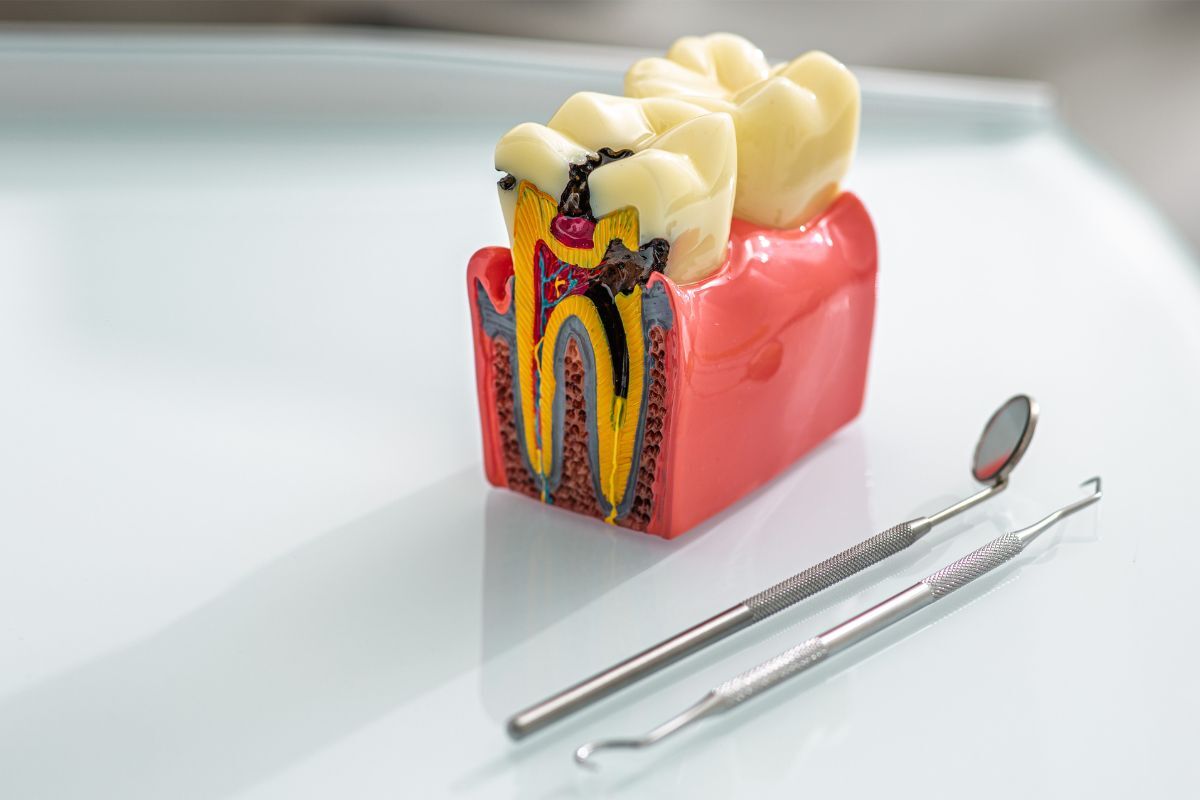
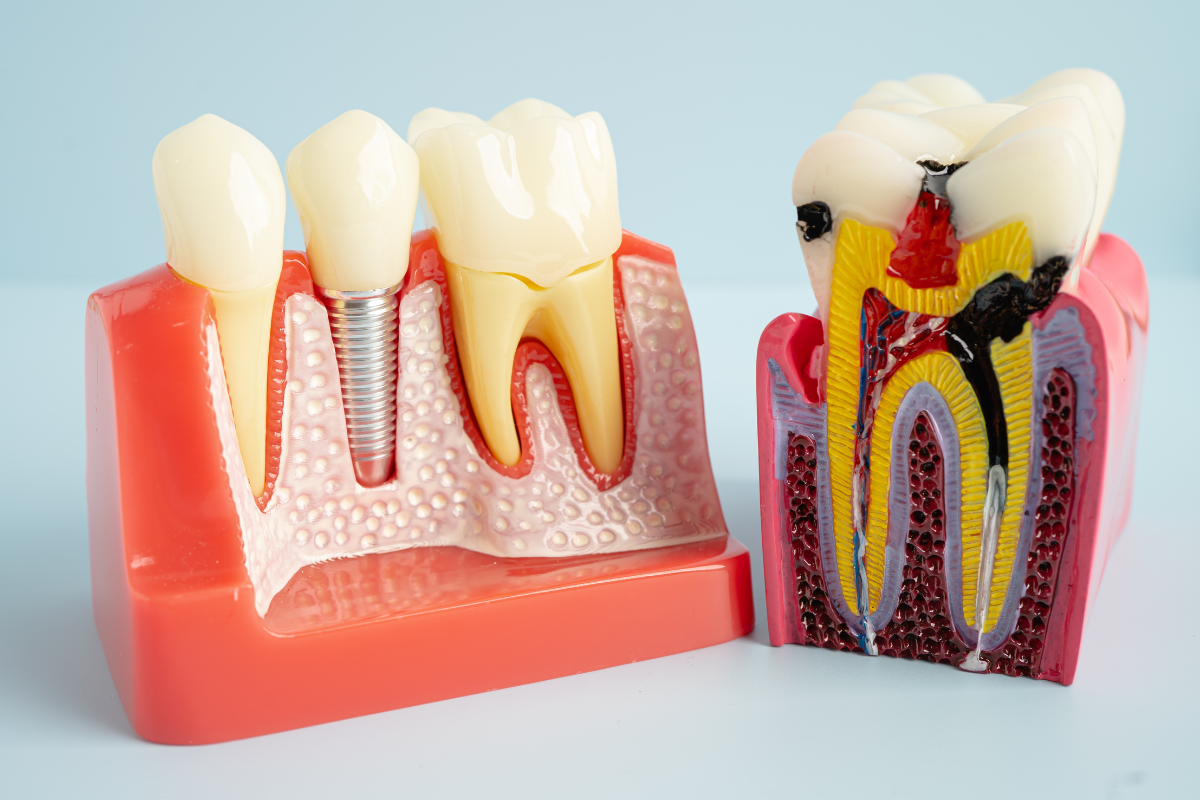
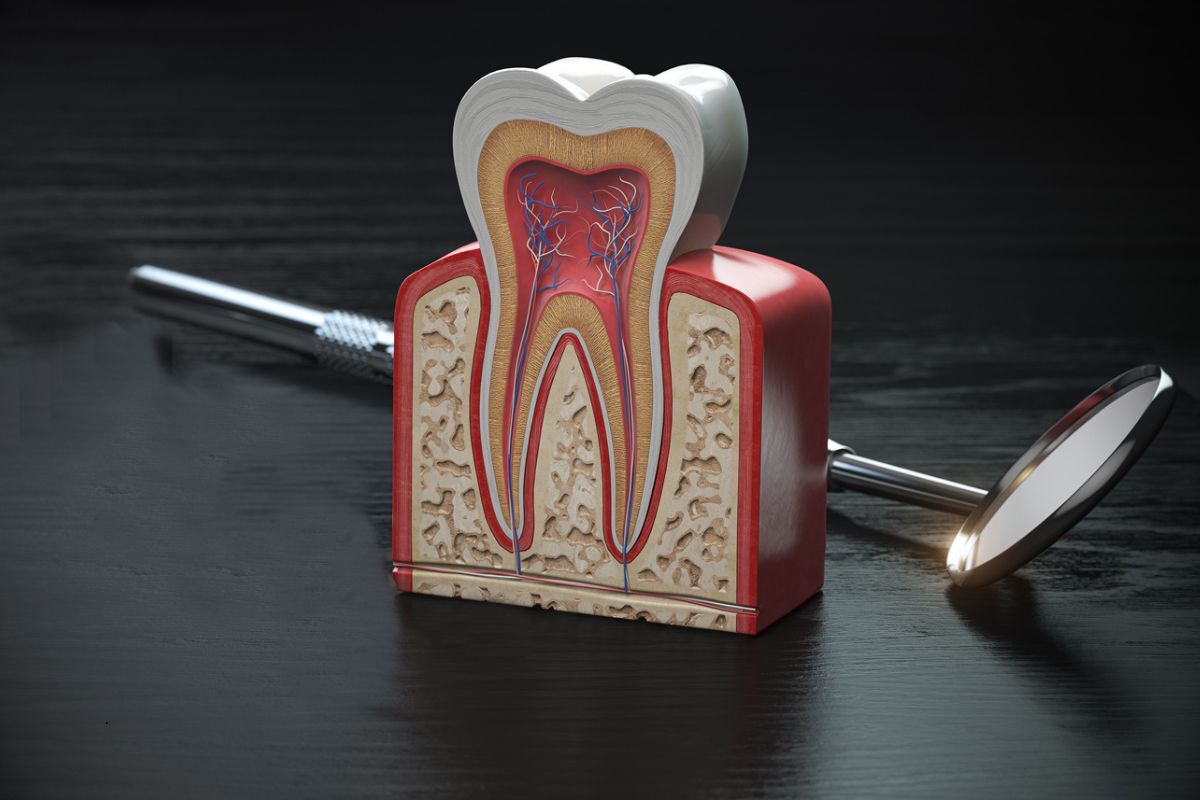
A tooth that needs root canal therapy is telling you something specific: decay or infection has reached the pulp, the soft tissue inside the tooth that houses nerves and blood vessels. Once that tissue is inflamed or infected, it cannot heal on its own. There is no home remedy, rinse, or amount of ibuprofen that reverses the underlying problem only treatment that removes the infected tissue can.
What makes this tricky is that pain doesn’t move in a straight line. Some patients feel constant, throbbing discomfort. Others notice the pain fade for a few days and assume the problem resolved itself. In reality, that quiet stretch often means the nerve inside the tooth has died, and the infection is simply moving into the surrounding bone where you can’t feel it as sharply yet.
Did You Know?
A tooth abscess left untreated doesn’t stay contained. Left alone, the infection can travel along the jawbone and, in rare but documented cases, spread toward the sinuses, neck, or bloodstream, turning a dental issue into a medical emergency.
Not every toothache feels the same. Some infections begin with subtle symptoms before turning into severe pain or swelling. If you’re unsure whether your symptoms require immediate care, read our guide on Tooth Infection Symptoms: How to Know If You Need a Root Canal Urgently to learn the warning signs that shouldn’t be ignored.
Why It Matters: What’s Really Happening Inside the Tooth
The Infection Doesn’t Pause – It Progresses
Bacteria inside an infected tooth continue to multiply whether or not you’re feeling pain that day. Over days and weeks, the infection can erode the bone that anchors your tooth in place, weakening the very foundation that keeps it stable.
Nearby Teeth and Tissue Are at Risk Too
An infected tooth doesn’t stay isolated. Pressure and bacteria can affect neighboring teeth, gum tissue, and bite alignment, especially if you start chewing differently to avoid the sore spot. That shift in bite pattern can create new strain on healthy teeth over time.
Delay Often Means More Treatment, Not Less
This is the part patients are usually surprised by: waiting rarely simplifies things. A tooth that could have been saved with a straightforward root canal and crown a month ago may now require extraction, bone grafting, and a dental implant or bridge to restore function a longer, more involved process than the one you were trying to avoid.
The Risks of Waiting: What Delay Really Costs You
Here’s a clear look at how a timely root canal compares to a delayed one – side by side.
| Timeframe | Treated Promptly | Root Canal Delayed |
| Pain level | Managed and resolving | Escalates, may throb or radiate |
| Infection | Contained and cleared | Can spread to jawbone or bloodstream |
| Tooth structure | Preserved with a crown | May weaken past the point of saving |
| Treatment needed | Root canal + crown | Possible extraction, bone graft, or implant |
| Cost over time | Single, predictable procedure | Often multiplies with emergency and replacement care |
| Recovery | Days | Longer, more complex healing |
Beyond the physical risks, delaying treatment tends to affect daily life in ways patients don’t expect:
- Sleep disruption — tooth pain frequently intensifies at night when lying down increases blood flow to the area.
- Difficulty eating — favoring one side of your mouth can lead to jaw fatigue and uneven wear.
- Rising treatment costs — emergency visits, extractions, and implant restorations typically cost more than a planned root canal and crown.
- Higher risk of tooth loss — the longer bacteria sit, the more bone support the tooth can lose.
- Spreading infection — facial swelling, fever, and spreading abscess are signs the infection has moved beyond the tooth itself.
The Professional Solution: What Root Canal Therapy Actually Involves
Root canal therapy has one job: remove the infected or inflamed pulp, thoroughly clean the inside of the tooth, and seal it so bacteria can’t return. Modern anesthesia and instruments make the appointment itself far more comfortable than its reputation suggests – most patients describe it as feeling similar to getting a routine filling.
During treatment, your dentist numbs the area, places a protective barrier around the tooth, and creates a small access opening to remove the infected pulp and nerve tissue. Once the canal is cleaned and disinfected, it’s filled with a biocompatible material and sealed. In most cases, a custom crown is placed afterward to protect the tooth from cracking and restore full chewing strength- an important step for long-term oral health, bite alignment, and smile appearance.
Treating the tooth promptly also protects your broader oral hygiene routine. Instead of managing around a painful, infected tooth, you’re back to brushing, flossing, and eating normally within days of your final restoration.
Still wondering whether your symptoms point toward root canal treatment? Our article What Are the Signs You Might Need a Root Canal Treatment? explains the most common warning signs dentists look for and when it’s time to schedule an evaluation.
Local Authority: Trusted Root Canal Care in Tualatin
Lakeside Family & Cosmetic Dentistry has served patients throughout Tualatin, Sherwood, and the surrounding Washington County area for years, and root canal therapy is one of the most common ways we help patients avoid losing a tooth they thought was a lost cause.
Meet Your Dentist

Dr. Amanda Gallegos is a 2005 graduate of the OHSU School of Dental Medicine with years of private practice experience treating patients throughout the Tualatin area. Her approach centers on explaining exactly what’s happening in your mouth, in plain language, so you can make a confident decision about treatment rather than putting it off out of uncertainty.
Schedule a consultation with Dr. Gallegos to find out whether your tooth can still be saved.
Patient Trust & Experience
Patients often tell us they delayed treatment because they worried a root canal would be painful or that their tooth couldn’t be saved. Their experiences remind us that honest communication and quality care make all the difference.
⭐⭐⭐⭐⭐ Samuel Moran
“I have been a patient for over ten years, and I am very pleased and impressed with Dr. Amanda. I had a crown done a year ago that started to bother me. Dr. Amanda identified the issue and, even though the crown had been placed before she took over the practice, she took full responsibility and replaced it at no charge. That was far beyond what I expected. More importantly, she did the crown right, and I haven’t had any issues with it since.
If you’re looking for a dentist, I highly recommend visiting their office. Aside from the amazing doctors, the front office staff, hygienists, and assistants are experienced, knowledgeable, and an absolute joy to work with.”
Read more patient experiences on our Google Reviews and see why families throughout Tualatin trust Lakeside Family & Cosmetic Dentistry for compassionate, high-quality dental care.
Don’t Wait for the Pain to Win
If you’ve been managing tooth pain and hoping it goes away, this is your sign to get it checked. Same-week appointments and emergency visits are available for Tualatin patients. CALL US TO REQUEST AN APPOINTMENT!
Frequently Asked Questions
What happens if you wait too long to get a root canal?
The infection inside the tooth continues to spread, potentially damaging the surrounding bone, forming an abscess, or making the tooth impossible to save. What could have been treated with a root canal and crown may eventually require extraction and tooth replacement.
How do I know if I need a root canal instead of a filling?
A filling addresses surface-level decay, while a root canal is needed once decay or infection reaches the tooth’s inner pulp. Signs pointing toward root canal therapy include lingering sensitivity to hot or cold, a persistent ache, swelling, or a bump on the gum near the tooth.
Is it dangerous to leave a tooth infection untreated?
Yes. An untreated tooth infection can spread to nearby bone and tissue, and in rare cases, reach the bloodstream. Fever, facial swelling, and difficulty swallowing are signs the infection needs urgent attention.
Can a tooth infection go away without a root canal?
Antibiotics can sometimes calm symptoms temporarily, but they don’t remove the source of the infection inside the tooth. Without root canal therapy or extraction, the infection typically returns.
Does waiting longer make a root canal more painful?
Often, yes. The procedure itself is performed under local anesthesia and is designed to relieve pain, not cause it. But the longer an infection sits, the more discomfort and swelling patients tend to experience beforehand.
What are the warning signs I shouldn’t ignore?
Watch for lingering sensitivity to temperature, a toothache that worsens when lying down, swelling or tenderness in the gums, a small bump near the tooth, or discoloration. Sometimes there are no symptoms at all, which is why regular checkups matter.
Will I need a crown after a root canal?
In most cases, yes. A root canal removes the infected tissue, but the tooth can become more brittle afterward. A crown protects it from cracking and restores full chewing strength for the long term.