You take a sip of coffee and feel it – a flicker, gone almost before you register it. Not quite pain. Just a strange little “catch” that makes you pause mid-sip. You shrug it off. It’s probably nothing.
Here’s the thing most people in Tualatin don’t realize: that flicker is often the very first message your tooth sends before things get serious. It’s not a root canal yet. It’s a warning shot and if you catch it here, you have far more options than you will six weeks from now.
This is the hidden stage almost nobody talks about: the window between “a little sensitive” and “you need a root canal.” Understanding what’s happening inside your tooth during this window and what to do about it – can be the difference between a simple filling and a much longer visit.
The Quiet Stage Most People Miss
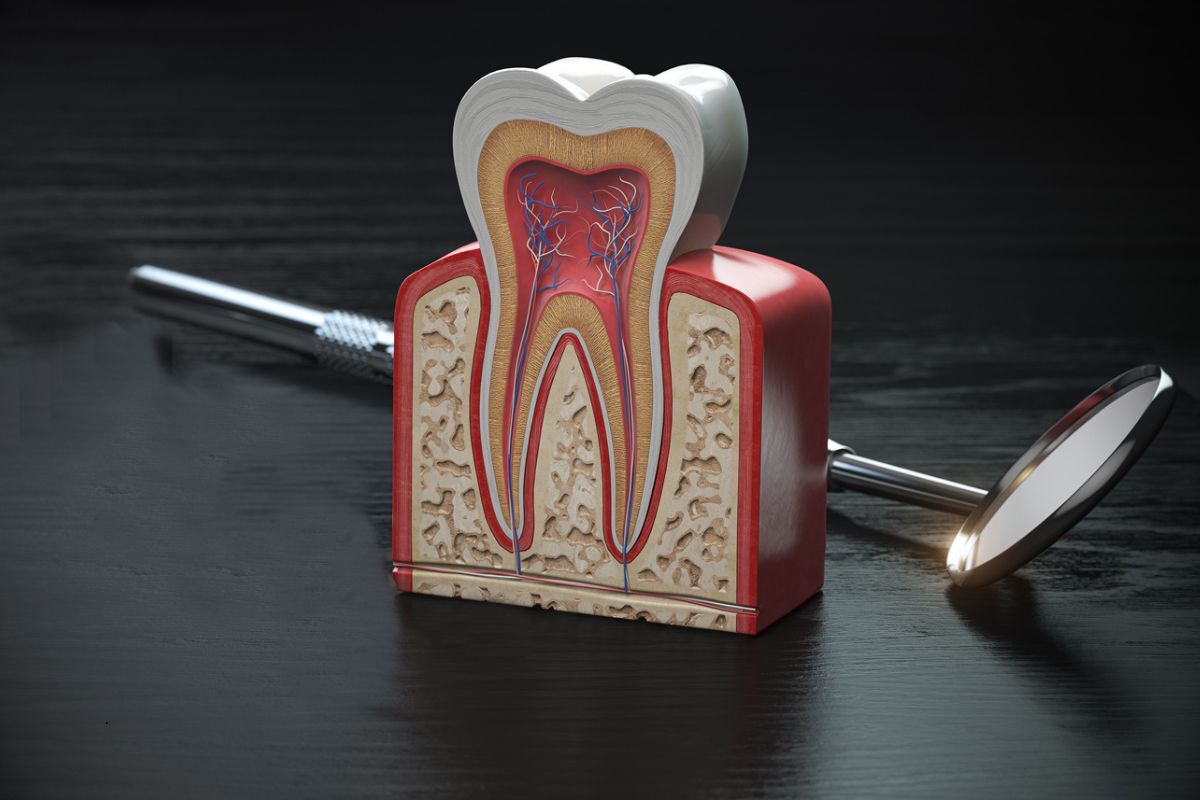
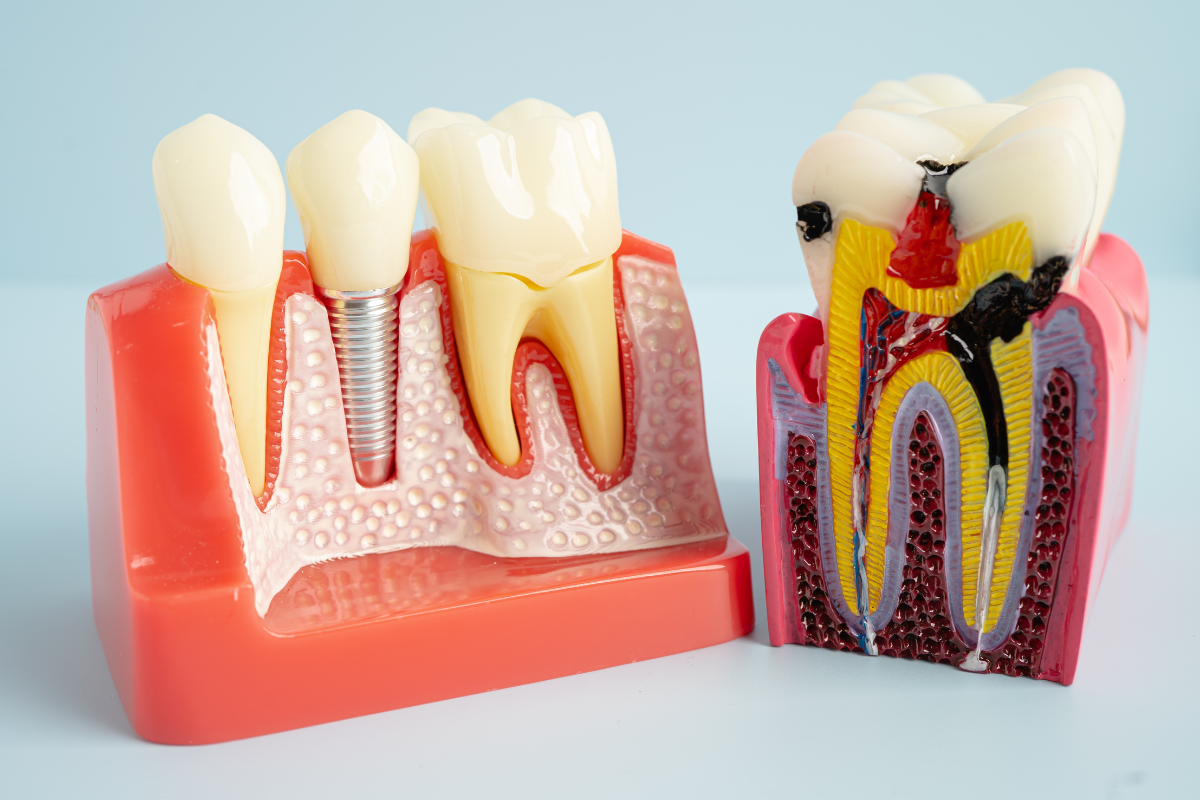
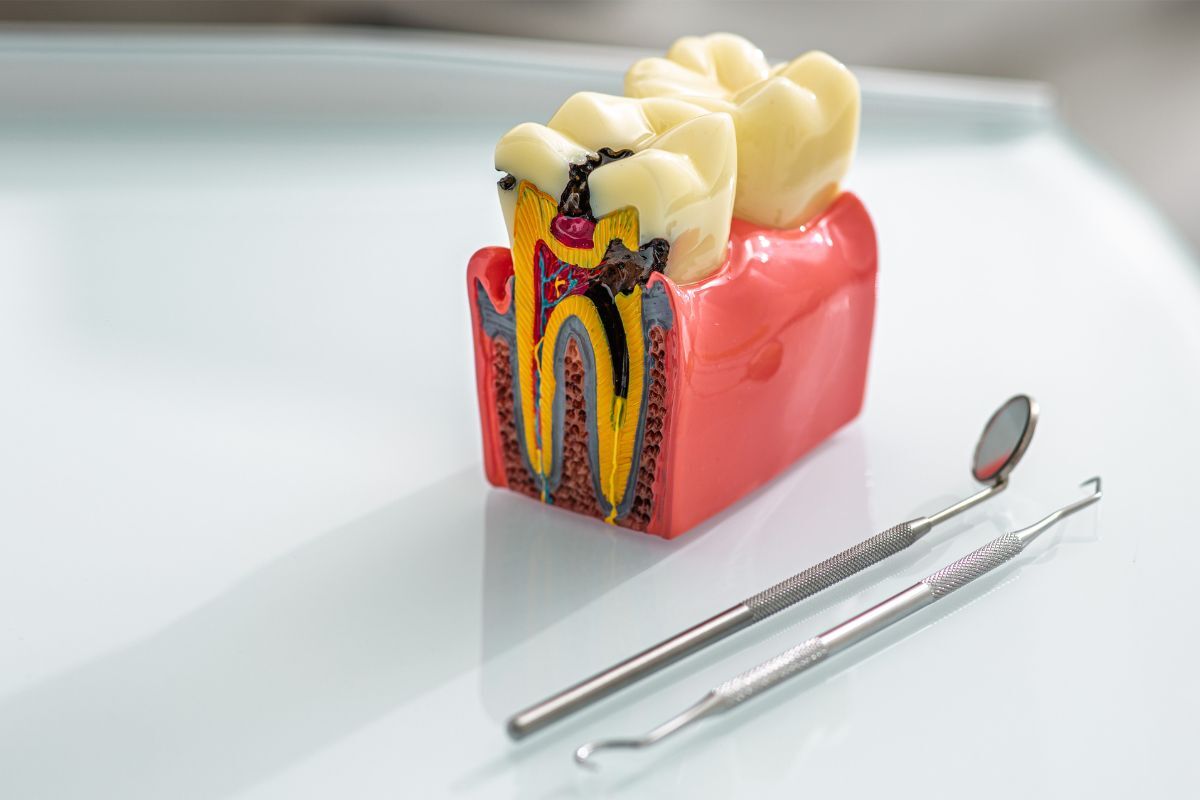
Every tooth has a soft inner core called the pulp, packed with nerves and blood vessels. When decay, a cracked filling, or a worn-down crack lets bacteria creep toward that pulp, it doesn’t erupt into pain overnight. It irritates the nerve first – quietly, gradually, in ways that are easy to explain away.
This early irritation is called reversible pulpitis. The nerve is inflamed but still alive and still capable of healing, provided the cause is treated. Left alone, that inflammation can tip into irreversible pulpitis, the point where the nerve tissue starts to break down and a root canal becomes the only way to save the tooth.
| Did You Know? A tooth can be sending warning signals for weeks, even months, before it ever reaches the point of needing a root canal. Enamel has no nerve endings, so early decay near the surface often causes no sensation at all. The first thing you actually feel is usually a sign the problem has already reached the deeper layers of the tooth. |
Why This Early Window Matters
Catching a tooth in the reversible stage matters because your treatment options are still wide open. A tooth with early pulp inflammation can often be treated with a simple filling, a bonded restoration, or a dental crown to protect it from further stress, no root canal required.
Once the pulp tissue dies, though, the body can’t heal it on its own. Bacteria left inside the tooth have nowhere to go, and the infection has only one direction to travel: down toward the root and into the surrounding bone. That’s the point where root canal therapy shifts from “option” to “necessity.”
What Tends to Trigger This Stage
- Deep tooth decay that has crept past the enamel and into the dentin layer, inching closer to the nerve.
- A cracked or fractured tooth from grinding, an old filling giving way, or biting down on something hard.
- Repeated dental work on the same tooth, which can gradually irritate the pulp over time.
- Gum disease that has allowed bacteria to reach the root surface from below the gumline.
The Risks of Waiting It Out
It’s tempting to wait and see, especially when the sensation is mild or only shows up once in a while. But pulp inflammation rarely resolves on its own once decay or a crack is the underlying cause and waiting tends to narrow your options rather than widen them.
- The nerve damage becomes permanent. Reversible pulpitis can become irreversible in a matter of weeks, closing the door on simpler treatment.
- Infection can spread beyond the tooth. Once bacteria reach the root tip, they can move into the surrounding bone and tissue.
- Pain tends to escalate, not fade. Many patients describe a quiet stretch right before a flare-up -the tooth isn’t healing, it’s just between episodes.
- Treatment becomes more involved. A tooth that could have been restored with a filling may eventually require root canal therapy or, in advanced cases, extraction.
Want to understand how a small tooth problem can turn into a serious infection? Read “What Happens If You Wait Too Long? The Real Risks of Delaying a Root Canal“ to see how delaying treatment can affect your tooth, surrounding bone, and overall oral health.
What Your Tooth Might Be Telling You
Here’s a quick reference for the signs worth paying attention to, what they usually mean, and roughly how soon to have them checked.
| Early Warning Sign | What It Usually Means | How Soon to See a Dentist |
|---|---|---|
| Sensitivity that lingers after hot or cold is gone | The nerve inside the tooth is inflamed (early pulpitis) | Within 1–2 weeks |
| A dull ache when chewing on one side | A micro-crack or deep decay reaching the inner pulp | Within 1–2 weeks |
| The tooth feels “off” when tapped or touched | Pulp irritation building before infection sets in | Schedule an exam soon |
| Tender or slightly puffy gums near one tooth | Inflammation spreading toward the root tip | Within a few days |
| A faint darkening of the tooth | Pulp tissue beginning to break down | Schedule an exam soon |
| Throbbing that comes and goes, or worsens at night | Pulp inflammation becoming irreversible | Right away |
Wondering whether these symptoms actually point toward root canal treatment? Read “What Are the Signs You Might Need a Root Canal Treatment?“ to learn how dentists evaluate persistent sensitivity, lingering pain, swelling, and other warning signs before recommending treatment.
How Lakeside Family & Cosmetic Dentistry Catches It Early
This is exactly the stage a thorough dental exam is built to catch. At Lakeside Family & Cosmetic Dentistry in Tualatin, an evaluation for lingering sensitivity or a nagging ache typically includes a visual exam, targeted digital X-rays, and simple bite and temperature testing to see how the nerve inside the tooth is actually responding.
When a tooth is caught in that early, reversible window, treatment can often stay conservative – a filling, a bonded repair, or a protective crown to stop the irritation from progressing. When the pulp has already broken down, root canal therapy becomes the way to remove the infection, relieve the pressure, and let you keep the natural tooth rather than lose it altogether.
- Digital X-rays reveal decay and bone changes near the root that aren’t visible to the eye.
- Cold and bite testing help determine whether the nerve is simply irritated or already compromised.
- A conservative-first approach means treatment matches what the tooth actually needs – nothing more, nothing less.
A Practice Tualatin Families Have Trusted
Lakeside Family & Cosmetic Dentistry has been part of the Tualatin community, growing from a small upstairs office into a full-service practice at the Tualatin Commons. Families from Tualatin, Tigard, Lake Oswego, Lake Grove, Wilsonville, West Linn, Sherwood, Beaverton, and Southwest Portland have relied on the same team for decades – a track record that matters when you’re trying to decide how urgently to act on a nagging tooth. Schedule an appointment!
Meet Dr. Amanda Gallegos

Dr. Amanda Gallegos is committed to helping patients protect their natural smiles through thorough, compassionate dental care. She believes in identifying problems early and recommending the most conservative treatment possible whenever appropriate. Whether you’re experiencing tooth sensitivity, pain, or signs of infection, Dr. Gallegos takes the time to explain your options and create a personalized treatment plan focused on your long-term oral health.
Don’t Wait for the Twinge to Become a Toothache
If a tooth has felt “off” for more than a few days, an exam now could mean a simple fix instead of a bigger one later. Lakeside Family & Cosmetic Dentistry has been catching these early signs in Tualatin since 1986. Call us to request an appointment!
Frequently Asked Questions
1. What are the earliest signs you might need a root canal?
The earliest signs are usually subtle: sensitivity to hot or cold that lingers after the trigger is gone, a dull ache when chewing, or a tooth that feels slightly different when tapped. These symptoms often appear well before sharp or constant pain develops.
2. Can a tooth that needs a root canal not hurt at all?
Yes. A tooth can have a damaged or dying nerve without causing noticeable pain, especially in the early stages. That’s why regular dental exams and X-rays are important—they can detect problems before severe symptoms appear.
3. How do I know if my tooth pain will go away or get worse?
Minor irritation or temporary sensitivity may improve within a day or two. However, pain that lingers, returns repeatedly, or worsens when chewing or exposed to hot or cold temperatures often indicates a deeper issue that should be evaluated by a dentist.
4. Is sensitivity to cold always a sign of nerve damage?
Not necessarily. Brief sensitivity can result from worn enamel or receding gums. If the sensitivity lingers for several seconds after the cold stimulus is removed, it may indicate inflammation inside the tooth that requires professional evaluation.
5. Can early tooth pain be treated without a root canal?
Often, yes. If the pulp is still healthy enough to recover—a condition known as reversible pulpitis—a filling or protective dental crown may be enough to resolve the problem. Early diagnosis usually allows for more conservative treatment.
6. How long can you wait before treating an infected tooth?
There is no safe amount of time to delay treatment once a tooth infection is confirmed. Untreated infections can spread to nearby tissues and the jawbone, making treatment more complex. Prompt dental care is always recommended.
7. What happens if I ignore early root canal symptoms?
Ignoring early symptoms can allow inflammation to progress from reversible to irreversible damage. As the infection worsens, you may experience severe pain, swelling, or an abscess, increasing the likelihood that root canal treatment—or even tooth extraction—will be needed.
8. Where can I get a root canal near me in Tualatin?
Lakeside Family & Cosmetic Dentistry in Tualatin provides comprehensive evaluations and root canal treatment when needed. The team will determine whether your tooth can be treated conservatively or if root canal therapy is the best option to preserve your natural smile.