
A small cavity might not seem urgent. It does not hurt yet. You may not even notice it. But here in Tualatin, many patients wait too long — and a tiny cavity quietly grows into a serious problem. The good news? You can stop small cavities now before they become root canals in Tualatin by acting early and staying consistent with preventive care.
At Lakeside Family & Cosmetic Dentistry, Dr. Molly Francis helps families understand what is really happening inside their teeth. Early treatment saves time, saves money, and saves you from unnecessary discomfort down the road.
Why Small Cavities Are More Dangerous Than They Look
Tooth decay is a progressive disease. It starts in the outer enamel layer — the hardest part of your tooth. At this stage, you likely feel nothing at all. But bacteria keep working 24 hours a day.
Once decay reaches the softer dentin layer underneath, it spreads much faster. Pain may start to appear. Sensitivity to hot and cold increases. The cavity is now significantly deeper and harder to treat.
Left untreated even longer, bacteria reach the pulp — the living center of the tooth. That is when a root canal becomes necessary. What started as a quick, affordable filling has now become a complex procedure. Prevention at the earliest stage makes all the difference.
How to Stop Small Cavities Now Before They Become Root Canals in Tualatin
The most effective tool against tooth decay is a routine dental exam and cleaning. Regular visits allow Dr. Francis to catch decay in its earliest, most treatable form. Digital X-rays at our Tualatin office reveal cavities hiding between teeth or below the gumline — places you simply cannot see at home.
Scheduling Dental Exams Cleanings Tualatin twice a year is one of the most powerful steps you can take. Professional cleanings remove hardened plaque that your toothbrush cannot reach. That plaque is what fuels cavity-causing bacteria.
Early-stage cavities treated with composite fillings require minimal tooth removal. The procedure is quick, comfortable, and blends naturally with your tooth color. Catching decay at this point is always the goal.
Preventive Tools That Protect Your Teeth Between Visits
Routine exams are essential — but what happens between appointments matters just as much. Dr. Francis recommends several preventive strategies for Tualatin patients of all ages.
Here are key preventive tools we offer at Lakeside Family & Cosmetic Dentistry:
- Dental Sealants: A thin protective coating applied to the chewing surfaces of back teeth, where most cavities form
- Fluoride Treatments: Strengthen enamel and make teeth more resistant to acid attacks from bacteria
- Digital X-Rays: Detect hidden decay early with minimal radiation exposure
- Composite Fillings: Treat cavities immediately before they deepen or spread
- Personalized Hygiene Plans: Tailored brushing and flossing guidance based on your specific needs
Dental sealants are especially effective for children and teenagers. However, adults with deep grooves in their molars can benefit too. Ask Dr. Francis whether sealants make sense for you at your next visit.
At home, brushing twice daily with fluoride toothpaste and flossing every night disrupts the bacterial communities that cause decay. A consistent routine is your first line of defense.
Warning Signs You Should Never Ignore
Many cavities are silent in the early stages. But certain symptoms suggest decay has already progressed. Recognizing these signs early helps you act before a root canal becomes inevitable.
Watch for these warning signs between dental visits:
- Tooth sensitivity to sweet, hot, or cold foods and drinks
- A visible dark spot or small hole on a tooth surface
- Mild to moderate toothache that comes and goes
- Pain when biting or chewing
- A rough or jagged feeling on a tooth when you run your tongue over it
If you notice any of these signs, contact Lakeside Family & Cosmetic Dentistry right away. Do not wait for your next scheduled appointment. Early intervention at this stage may still allow a simple filling rather than a root canal.
Even without symptoms, do not skip your routine exam. Many serious cavities cause zero pain until they reach the pulp. By then, the treatment required is much more involved.
When Tooth Loss Is the Risk: What Comes After a Root Canal
Sometimes patients ask: what happens if the tooth cannot be saved at all? If decay is left untreated past the point of a root canal, extraction may be the only option. Losing a tooth creates a chain of problems.
Neighboring teeth shift into the empty space over time. Your bite changes. Bone loss begins in the jaw where the tooth root once provided stimulation. These changes affect both your oral health and your appearance.
Replacing a missing tooth with a Dental Implants Tualatin solution is an excellent long-term option. Implants look, feel, and function like natural teeth. They also preserve the jawbone and prevent neighboring teeth from drifting.
However, no restoration is as good as your natural tooth. That is why the message is simple — prevent the cavity from growing in the first place. A small filling today protects your natural tooth for years to come.
What to Expect at Your Preventive Visit with Dr. Francis
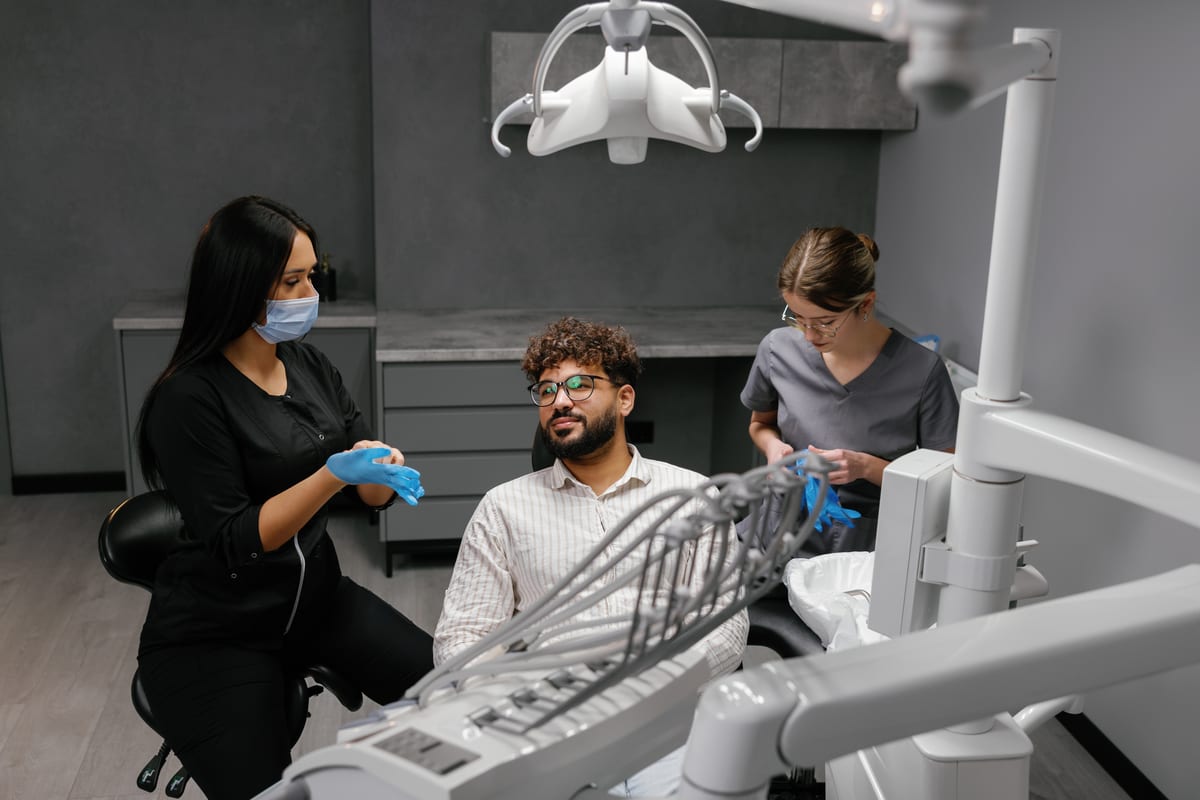
Many Tualatin patients feel nervous about dental appointments. Dr. Molly Francis and the entire team at Lakeside Family & Cosmetic Dentistry prioritize a calm, welcoming environment. Every visit is designed to be as comfortable and informative as possible.
Here is what a typical preventive exam looks like at our office:
- Comprehensive exam: Dr. Francis carefully checks every tooth and your gum tissue for early signs of decay or disease
- Digital X-rays: Low-radiation images reveal hidden problems between and beneath teeth
- Professional cleaning: A hygienist removes plaque and tartar buildup that regular brushing misses
- Personalized recommendations: Dr. Francis discusses any areas of concern and creates a plan tailored to your needs
- Treatment if needed: Small cavities can often be treated the same day with a simple composite filling
Most patients leave with greater clarity about their oral health. You will know exactly what is happening in your mouth and what steps to take next. Knowledge is one of the most powerful prevention tools available.
Conclusion: Early Action Protects Your Smile and Your Wallet
Tooth decay does not wait. A cavity that seems minor today can become a root canal within months. The difference between a small filling and a root canal is often just one or two dental visits. Tualatin residents who prioritize preventive care consistently avoid the most painful and expensive dental procedures.
Dr. Molly Francis and the team at Lakeside Family & Cosmetic Dentistry are here to help you take that first step. Early treatment is always easier, faster, and more affordable. Do not let a small cavity become a bigger problem. Book Now to schedule your appointment with our team.
Frequently Asked Questions
How quickly can a small cavity turn into a root canal?
The timeline varies, but decay can progress from enamel to pulp in as little as a few months without treatment. Factors like diet, oral hygiene habits, and saliva production all affect how fast decay spreads. Regular exams every six months help catch cavities before they reach the deeper layers of the tooth.
Will I feel pain if I have a cavity that needs a root canal?
Not necessarily. Many cavities cause no pain at all until they reach the pulp — the innermost part of the tooth. By the time pain appears, the decay is often already serious. This is why routine digital X-rays and exams are so important for detecting problems early, even without symptoms.
Are composite fillings strong enough to last long-term?
Yes. Modern composite fillings are durable and bond directly to the tooth structure. With proper care — including regular brushing, flossing, and dental visits — a composite filling can last many years. They also match your natural tooth color, making them nearly invisible.
At what age should my child start getting dental sealants?
Dental sealants are typically recommended when the first permanent molars come in, usually around age six. The second molars often arrive around age twelve. Dr. Francis can evaluate your child’s teeth and recommend the right timing. Sealants significantly reduce the risk of cavities on the back teeth where most decay occurs.
What is the difference between a routine cleaning and a deep cleaning?
A routine cleaning removes plaque and tartar from above and just below the gumline. A deep cleaning, also called scaling and root planing, treats gum disease by removing buildup from deeper below the gumline. Staying consistent with routine cleanings twice a year helps most patients avoid ever needing a deep cleaning.