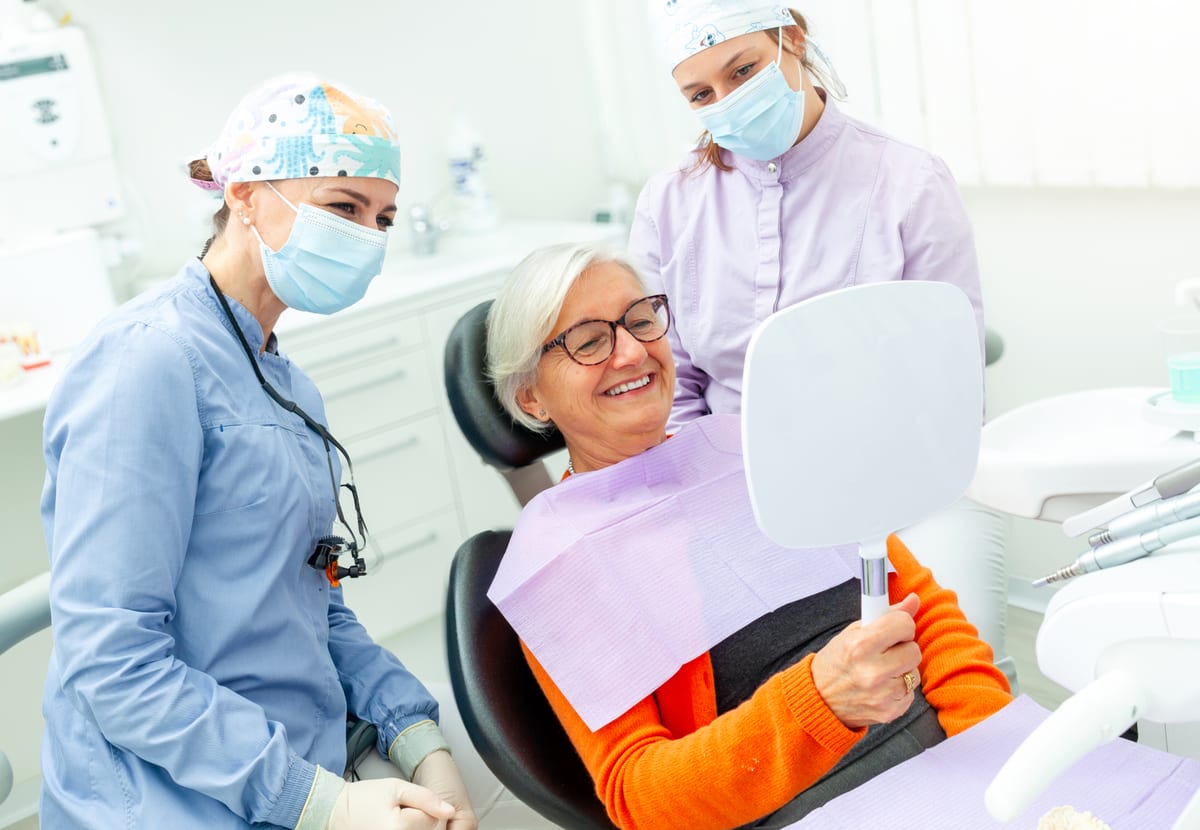
If your teeth have started to shift, your jaw feels different, or chewing has become a daily struggle, your body is sending you a clear message. Your shifting teeth and bone loss are warning signs you need implants now in Tualatin — and waiting longer can make treatment more complex. At Lakeside Family Dentistry, Dr. Molly Francis helps patients understand what these symptoms mean. Recognizing the signs early gives you far better options for restoring your smile and protecting your long-term oral health.
Why Shifting Teeth and Bone Loss Are Serious Warning Signs in Tualatin
When you lose a tooth, the jawbone beneath it begins to deteriorate. This process is called bone resorption, and it starts faster than most people expect. Within the first year of tooth loss, you can lose up to 25% of the bone in that area.
As the bone shrinks, neighboring teeth lose their support structure. They begin to tilt, drift, or shift into the empty space. This affects your bite, your appearance, and even your ability to chew properly.
Many patients in Tualatin assume shifting teeth are a cosmetic issue. In reality, they are a functional and structural warning. The longer you wait, the more bone you lose — and the harder implant placement becomes.
Common Warning Signs You Have Already Waited Too Long
Some signs are easy to dismiss as minor inconveniences. But they often point to deeper problems happening beneath the surface. Here are the key warning signs that you may need implants now:
- Visible tooth movement: You can see gaps forming or teeth tilting that were not there before.
- Difficulty chewing: Certain foods have become uncomfortable or impossible to eat comfortably.
- Jaw pain or soreness: Your bite has shifted, placing uneven pressure on your jaw joints.
- Changes in your face shape: Your cheeks look sunken or your jawline appears to have changed.
- Loose remaining teeth: Teeth near a gap feel unstable or sensitive to pressure.
- Gum recession near the gap: The gum tissue has pulled back, exposing roots of nearby teeth.
If you recognize two or more of these signs, it is worth speaking with Dr. Francis as soon as possible. These symptoms do not resolve on their own — they progress.
How Dental Implants Stop the Damage and Restore Function
Dental implants are the only tooth replacement option that addresses bone loss directly. A titanium post is placed into the jawbone, where it fuses with your natural bone tissue. This fusion process, called osseointegration, stimulates the bone and stops further deterioration.
Unlike dentures or bridges, implants do not sit on top of the gum. They become part of your jaw. That distinction matters enormously for long-term bone health.
Once the implant integrates, a custom crown is placed on top. The result looks, feels, and functions like a natural tooth. Patients at Lakeside Family Dentistry consistently report that chewing, speaking, and smiling feel completely normal again.
Implants also protect your remaining natural teeth. By filling the gap, they prevent neighboring teeth from drifting further and reduce strain on your bite overall.
What Happens If You Keep Waiting
Delaying implant treatment is one of the most common mistakes patients make — often because the missing tooth does not hurt. But the damage happening beneath the gumline is real and ongoing.
As more bone disappears, the window for straightforward implant placement narrows. Patients who wait too long often require bone grafting before an implant can be placed. This adds time, complexity, and additional healing to the process.
The shifting that begins in one area can also cause a chain reaction. Teeth on the opposite side of your mouth may over-erupt because they no longer have a tooth to bite against. Your entire bite alignment can shift over months and years.
Routine preventive care plays a role too. Staying current with Dental Exams Cleanings Tualatin allows Dr. Francis to monitor bone levels and catch these changes early. Early detection means simpler, less expensive solutions.
Protecting Your Remaining Teeth While You Plan Treatment
If you are not yet ready for implants, there are still steps you can take to protect your oral health right now. Keeping your remaining teeth as healthy as possible is essential while you plan your next move.
For patients with children or younger family members, preventive tools like Dental Sealants Tualatin can help protect teeth from decay that might later lead to extractions. Prevention always costs less than restoration.
Here is what you can do to protect your oral health in the meantime:
- Brush twice daily and floss carefully around the gap area.
- Avoid chewing hard foods on the side with missing teeth.
- Schedule a consultation to get X-rays that show your current bone levels.
- Ask about temporary solutions to prevent further shifting while planning implants.
- Talk to Dr. Francis about your timeline and what to expect during treatment.
Having a clear plan gives you control over the outcome. Dr. Francis and the team at Lakeside Family Dentistry will walk you through every option at your own pace.
What to Expect During Your Implant Consultation at Lakeside Family Dentistry
Many patients feel nervous about asking for help, especially if they feel they waited too long. At Lakeside Family Dentistry, there is no judgment — only practical guidance and genuine support.
During your consultation, Dr. Francis will review your dental and medical history. She will take digital X-rays to evaluate your current bone density and the position of neighboring teeth. From there, she will recommend the most appropriate treatment path for your specific situation.
Some patients are candidates for implants right away. Others may benefit from a bone graft first. Either way, you will leave your appointment with a clear understanding of your options, your timeline, and what results you can realistically expect.
The goal is always to restore your ability to chew comfortably, protect your remaining teeth, and give you a smile you feel good about. Tualatin patients trust Dr. Francis to provide honest, thorough care every step of the way.
Conclusion: Do Not Let Bone Loss Decide Your Options for You
Shifting teeth and jawbone deterioration are not just cosmetic concerns. They are structural emergencies that worsen over time. The sooner you seek an evaluation, the more straightforward your path to restored oral health will be. Dr. Molly Francis and the team at Lakeside Family & Cosmetic Dentistry are here to help you understand your situation clearly and compassionately. Book Now to schedule your appointment with our team.
Frequently Asked Questions
How quickly does bone loss happen after tooth loss?
Bone loss begins almost immediately after a tooth is lost. Studies show that up to 25% of bone width can disappear in the first year alone. The rate slows over time, but bone continues to deteriorate without a replacement root to stimulate it. Acting sooner gives you more bone to work with for implant placement.
Can I still get an implant if I have already lost a significant amount of bone?
In many cases, yes. Patients with significant bone loss often require a bone grafting procedure before an implant can be placed. This adds healing time but is a well-established and effective approach. Dr. Francis will evaluate your bone levels with digital X-rays and discuss the best option for your specific situation.
Why are my remaining teeth shifting if I only lost one tooth?
Teeth rely on each other for positional stability. When one tooth is missing, the neighboring teeth lose their anchor point and begin to drift into the empty space. Teeth on the opposite jaw may also over-erupt downward or upward. This is why replacing a missing tooth promptly matters even if it does not cause immediate pain.
Is the dental implant procedure painful?
Most patients report that the procedure is more comfortable than they expected. Local anesthesia is used throughout the placement process. Some mild soreness and swelling is normal in the days following the procedure, but most patients manage it easily with over-the-counter pain relief. Dr. Francis will ensure you are fully informed and comfortable before any treatment begins.
How do I know if I am a candidate for dental implants in Tualatin?
The best way to find out is to schedule a consultation with Dr. Molly Francis at Lakeside Family & Cosmetic Dentistry. Good candidates typically have adequate bone density, healthy gums, and no uncontrolled systemic conditions. Even if you have concerns about your bone levels or overall health, an evaluation will clarify your options and help you make an informed decision.