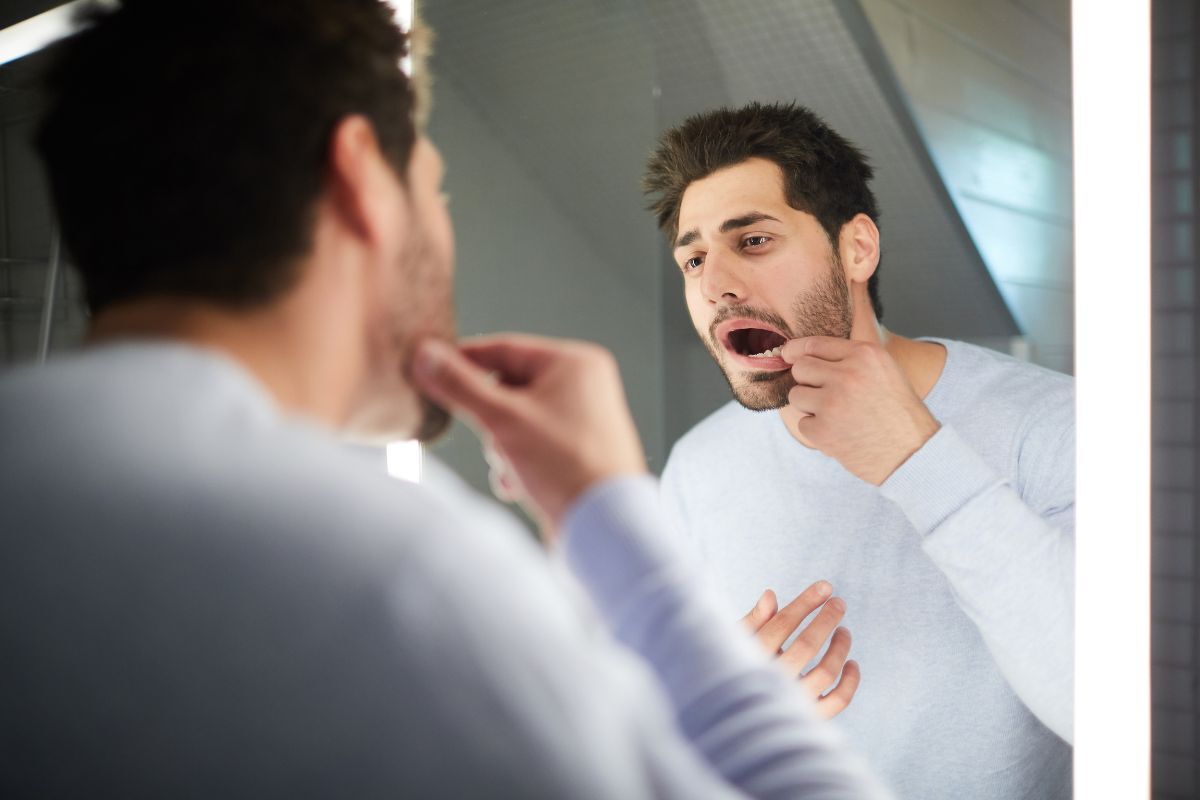
You probably don’t inspect your teeth every morning.
You brush, rinse, smile at yourself in the mirror and move on with your day.
That’s exactly why some dental problems can sneak up on you.
A tooth may become slightly darker. A small edge may look different. One tooth may start sitting a little differently than it used to. Your gums may appear slightly lower. Food may suddenly get caught in a spot where it never did before.
None of these changes necessarily means something is seriously wrong.
But they can be clues.
Early oral changes are often subtle changes in the teeth, gums, bite, or smile that may develop before noticeable discomfort appears. Paying attention to these changes and mentioning them during routine dental visits can help identify problems while they are still easier to understand and manage.
Dental professionals are trained to notice details that may be difficult to recognize at home, including changes in enamel, gum health, tooth wear, bite alignment, and the condition of existing dental work. That professional perspective can be especially valuable when a change seems too small to be concerning.
For people in Tualatin and surrounding communities, that is one reason preventive dental care matters even when your mouth feels completely normal.
7 Early Oral Changes You May Not Notice at First
Small changes don’t always announce themselves. Sometimes you notice them only because an old photograph looks different or because something feels slightly unusual when you brush.
Here are several changes worth paying attention to.
1. A Tooth Looks Slightly Darker Than Before
Teeth naturally change color over time. Coffee, tea, red wine, tobacco, aging and certain foods can contribute to discoloration.
But a noticeable change affecting one tooth deserves more attention.
A single tooth becoming darker can sometimes be associated with changes inside the tooth, previous dental treatment, trauma, or other dental conditions.
That doesn’t mean a dark tooth automatically signals a serious problem. It means the reason for the color change is worth identifying rather than assuming it is simply staining.
2. The Edge of a Tooth Looks a Little Shorter
Look closely at your front teeth in an older photograph.
Do the edges look exactly the same?
Gradual tooth wear can be difficult to notice because it may happen over years rather than weeks. Repeated grinding or clenching, acidic exposure, certain habits, and normal aging can all contribute to changes in tooth structure.
You might notice:
- Shorter-looking front teeth
- Flattened biting surfaces
- Tiny chips
- Rough or uneven edges
- More visible dentin
- Changes in the way your teeth meet
Tooth wear doesn’t always cause pain. By the time sensitivity or obvious breakage appears, the underlying change may have been developing for quite some time.
3. Food Starts Getting Caught Between the Same Two Teeth
This is an easy change to dismiss.
Maybe you suddenly need to floss around one particular area after meals. Perhaps food gets trapped between two teeth that never bothered you before.
The cause can vary.
Changes in tooth position, gum tissue, a cavity, a worn filling, or the shape of the contact between teeth can all affect how food moves through that area.
Repeated food trapping is worth mentioning at a dental exam, especially if the area also bleeds when flossing or feels difficult to keep clean.
4. Your Teeth Don’t Look Quite as Even as They Used To
Teeth can shift over time.
Changes in tooth position may become noticeable as:
- A front tooth rotating slightly
- A small gap appearing
- Crowding becoming more noticeable
- Teeth appearing uneven in photographs
- Your bite feeling different
- Your smile looking subtly different
This doesn’t necessarily mean you suddenly need orthodontic treatment.
However, changes in bite alignment can sometimes be associated with tooth movement, tooth loss, gum-related problems, wear, or changes in the way the teeth contact each other.
A dentist can evaluate whether the change is simply cosmetic or whether it reflects something affecting oral health or function.
5. Your Gums Look Slightly Different
Your gums are part of the picture, too.
You may notice that one tooth appears longer because the gumline has changed. Or perhaps the tissue between two teeth looks different than it did previously.
Potential signs worth mentioning include:
- Gumline changes
- Persistent redness
- Swelling
- Bleeding during brushing or flossing
- Tender areas
- Gum tissue pulling away from a tooth
- Increased visibility of the tooth root
Early gum inflammation can be easier to overlook than a broken tooth because the changes may be subtle.
And importantly, healthy gums should not be judged only by whether they hurt.
6. Your Teeth Feel Rougher or More Sensitive Than Before
You run your tongue across your teeth and notice a rough patch.
Maybe cold water suddenly feels different.
Maybe a particular tooth reacts to something sweet or acidic.
These changes can have several possible causes, including enamel wear, exposed dentin, gum recession, tooth decay, cracks, or other dental conditions.
Sensitivity is not always an emergency, but a new or persistent change should not automatically be treated with a different toothpaste and forgotten.
The important question is why did the sensation change?
7. Your Smile Looks Different in Photos
Sometimes the first sign isn’t something you feel.
It’s something you see.
An old family photograph may reveal that your front teeth once had a slightly different shape or position. A recent picture may make one tooth look shorter, darker, or more rotated.
Photography can exaggerate normal asymmetry, so one unusual photo isn’t enough to diagnose a dental problem.
But if the difference appears consistently across photographs—and you notice it in the mirror, too—it may be worth bringing up during your next dental visit.
Related reading: If your smile seems to look different in photographs than it does in the mirror, you’re not necessarily imagining it. Explore why your smile can look great in the mirror but different in photos and what those differences may- or may not- tell you.
Why Tiny Tooth Changes Can Matter
A common misconception is:
“If it doesn’t hurt, it can’t be a problem.”
That isn’t always true.
Some dental conditions can develop before they cause obvious discomfort. Early tooth decay, enamel changes, gum inflammation, tooth wear, and changes in bite alignment may initially be easier to see or detect during an examination than to feel.
Related reading: Your dentist examines more than just your teeth during a routine visit. Learn about the one part of your mouth you’ve probably never checked—and why your dentist looks at it every single visit.
This is where routine dental care becomes more than simply getting your teeth cleaned.
During a comprehensive examination, a dentist may evaluate the condition of your teeth and gums, look for changes in existing dental work, assess your bite, and use dental X-rays when appropriate.
Lakeside Family & Cosmetic Dentistry specifically describes its approach as prevention-focused, including thorough examinations, appropriate X-rays, cleanings, flossing, sealants and fluoride as parts of maintaining oral health.
Early Oral Changes vs. Changes That Need Prompt Attention
Not every change requires urgent treatment. But knowing the difference can help you decide when to contact a dental professional.
| Change you notice | Possible explanation | What to do |
| Slight tooth discoloration | Staining, aging, internal tooth changes | Mention it at an exam |
| Tiny chip | Normal wear, trauma, biting forces | Have it evaluated if new or worsening |
| Food trapping | Tooth movement, decay, restoration changes | Schedule an examination |
| Mild tooth shifting | Normal movement, bite changes, gum-related concerns | Ask your dentist to evaluate it |
| Occasional sensitivity | Enamel wear, recession, decay or other causes | Monitor and discuss persistent changes |
| Gumline changes | Recession or inflammation | Arrange a dental evaluation |
| Sudden swelling or severe pain | Infection or another urgent dental problem | Seek prompt dental care |
The key is change over time.
Your dentist isn’t simply looking for something that is wrong today. Comparing what they see with your previous dental records and your current concerns can provide valuable context.
When Should You Stop Watching and Call a Dentist?
Some changes can wait for a routine appointment.
Others should be evaluated sooner.
Contact a dental professional promptly if you notice:
- Facial or gum swelling
- A loose permanent tooth
- A tooth that suddenly becomes significantly darker
- Persistent or worsening sensitivity
- A visible crack
- A broken tooth
- Bleeding or swollen gums that don’t improve
- A sudden change in your bite
- A sore or oral lesion that doesn’t heal
- Difficulty chewing normally
And if you have significant swelling, difficulty breathing or swallowing, uncontrolled bleeding, or another serious emergency, seek urgent medical attention.
What Preventive Dental Care Can Catch Before You Notice It
Preventive dental care isn’t about waiting for something to hurt.
It is about creating regular opportunities to notice changes.
A routine dental examination can give your dentist a chance to evaluate:
Teeth
- Early decay
- Enamel wear
- Cracks
- Changes in existing restorations
- Discoloration
Gums
- Inflammation
- Bleeding
- Recession
- Signs associated with gum disease
Bite
- Changes in tooth contact
- Excessive wear
- Shifting
- Jaw-related concerns
Smile
- Changes in tooth shape
- Alignment
- Tooth color
- Overall symmetry
This is also why your own observations matter.
You see your teeth every day. Your dentist sees them at intervals and can compare what is happening over time.
Those two perspectives work well together.
A Small Change Doesn’t Automatically Mean a Big Treatment
This is important.
Not every early oral change needs a filling, crown, orthodontic treatment, or another procedure.
Sometimes the best recommendation is simply to monitor the area.
Other situations may call for preventive measures, improved oral hygiene, a small restoration, treatment for gum disease, a bite evaluation, or restorative dentistry.
For example, a small area of tooth wear may be monitored if it is stable. If the wear is progressing because of grinding or another contributing factor, your dentist may recommend ways to reduce further damage.
Likewise, a minor cosmetic change may be harmless, while a similar-looking change could have a dental cause that needs attention.
The goal of an examination is not to turn every small difference into a treatment plan. It is to understand what the difference means. Call us to talk to our professionals!
What Patients in Tualatin Should Know About Preventive Dental Visits
At Lakeside Family & Cosmetic Dentistry in Tualatin, preventive care is presented as part of a broader approach to maintaining oral health- not simply treating problems after they become uncomfortable. The practice provides comprehensive dental care for adults and children and emphasizes routine exams, preventive care, restorative dentistry and individualized treatment planning.
The office is located at 8225 SW Tualatin-Sherwood Rd, Tualatin, OR 97062, and welcomes new patients and emergency appointments.
That makes preventive visits particularly useful when you’ve noticed something subtle but aren’t sure whether it matters.
You don’t have to arrive knowing what the problem is.
You simply need to explain what changed.
⭐⭐⭐⭐⭐ Lauren Kreis
The front office staff sets the stage for peaceful and enjoyable dentist office visit! Thank you for all you do Lakeside Dentistry
Don’t Wait for a Tooth to Hurt Before You Pay Attention
The most useful dental warning signs aren’t always dramatic.
Sometimes they’re a tooth that looks slightly different.
A new spot where food gets trapped.
A gumline that seems lower.
A bite that doesn’t feel quite the same.
A front tooth that appears shorter in photographs.
Those changes don’t automatically mean something is wrong. But they are worth noticing.
If you’ve recently spotted an early oral change and you’re unsure whether it’s normal, bring it up at your next dental visit rather than waiting for discomfort to provide the answer.
For patients in Tualatin and nearby communities, Lakeside Family & Cosmetic Dentistry can evaluate changes in your teeth, gums, bite, and overall oral health and help you understand what—if anything—needs attention.
Schedule a preventive dental visit and get answers before a small change has a chance to become a bigger dental concern.
Frequently Asked Question
1. What are early oral changes?
Early oral changes are subtle differences in your teeth, gums, bite, or mouth that may develop before noticeable pain or other major symptoms. Examples include tooth discoloration, minor shifting, enamel wear, gumline changes, new sensitivity, or repeated food trapping.
2. Can teeth change without causing pain?
Yes. Some dental problems can develop without obvious pain, particularly in their earlier stages. Changes in enamel, tooth wear, early decay, gum inflammation, and bite alignment may sometimes be noticed during an examination before they become uncomfortable.
3. Why are my teeth slowly changing position?
Teeth can shift for several reasons, including natural movement over time, changes associated with missing teeth, gum-related problems, tooth wear, or changes in bite forces. A dentist can determine whether the movement is normal or needs further evaluation.
4. Is a darker tooth always a sign of tooth decay?
No. A darker tooth can result from staining, aging, previous dental treatment, trauma, or changes within the tooth. Because the causes vary, a new or noticeable color change affecting one tooth is worth discussing with a dentist.
5. Why am I suddenly getting food stuck between my teeth?
New food trapping can happen when the shape or position of teeth changes. Other possible causes include tooth decay, worn or altered dental restorations, or changes in the gum tissue. If the same area repeatedly traps food, it should be evaluated.
6. What are the early signs of enamel wear?
Early enamel wear may appear as flattened or shortened tooth edges, small chips, rough surfaces, increased sensitivity, or changes in the shape of the teeth. Because enamel does not grow back naturally, identifying the cause of progressive wear is important.
7. How often should I have a dental examination?
The appropriate frequency depends on your oral health, dental history, risk factors, age, and individual needs. Your dentist can recommend an examination schedule that fits your situation rather than relying on the same interval for everyone.
8. When should I see a dentist about a small change in my tooth?
Consider scheduling an evaluation if the change is new, persistent, worsening, or accompanied by sensitivity, bleeding, swelling, mobility, a visible crack, or a change in your bite. Prompt evaluation can help determine whether the change is harmless or needs attention.