If your teeth feel sensitive during a cleaning, you are not alone. Many patients in Tualatin experience this exact sensation — and it can be surprising or even uncomfortable. Understanding why your teeth feel sensitive during cleaning, and what we do about it, helps ease anxiety before your next visit. At Lakeside Family & Cosmetic Dentistry, Dr. Molly Francis and our hygiene team take sensitivity seriously and work hard to make every visit comfortable.
What Causes Tooth Sensitivity During a Dental Cleaning?
Sensitivity during cleaning usually has a clear cause. The most common reason is exposed dentin — the inner layer of your tooth beneath the enamel. When enamel wears down or gums recede, dentin becomes vulnerable to touch, temperature, and pressure.
Gum recession is another major factor. Receding gums expose the root surfaces of teeth. Root surfaces do not have the same protective enamel layer that crowns do. This makes them far more reactive to the instruments a hygienist uses.
Buildup of tartar can also contribute. When tartar accumulates along the gumline, removing it requires more pressure. That pressure can temporarily irritate sensitive tissue. Our team adjusts technique based on how much buildup is present.
Other contributing factors include:
- Gum inflammation caused by bacteria and plaque
- Teeth grinding, which wears enamel over time
- Recent whitening treatments that temporarily increase sensitivity
- Cracked or chipped teeth that expose inner layers
- Cavities near the gumline or between teeth
Why Sensitivity Spikes Near the Gumline
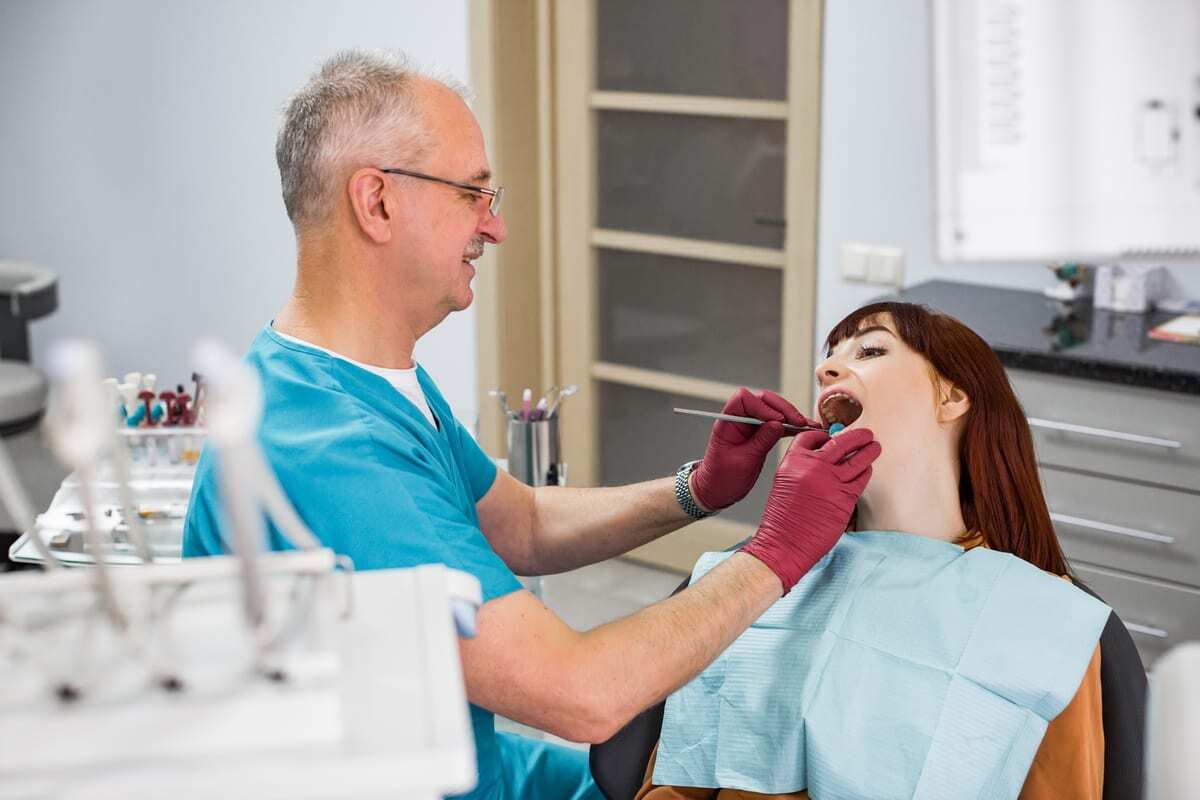
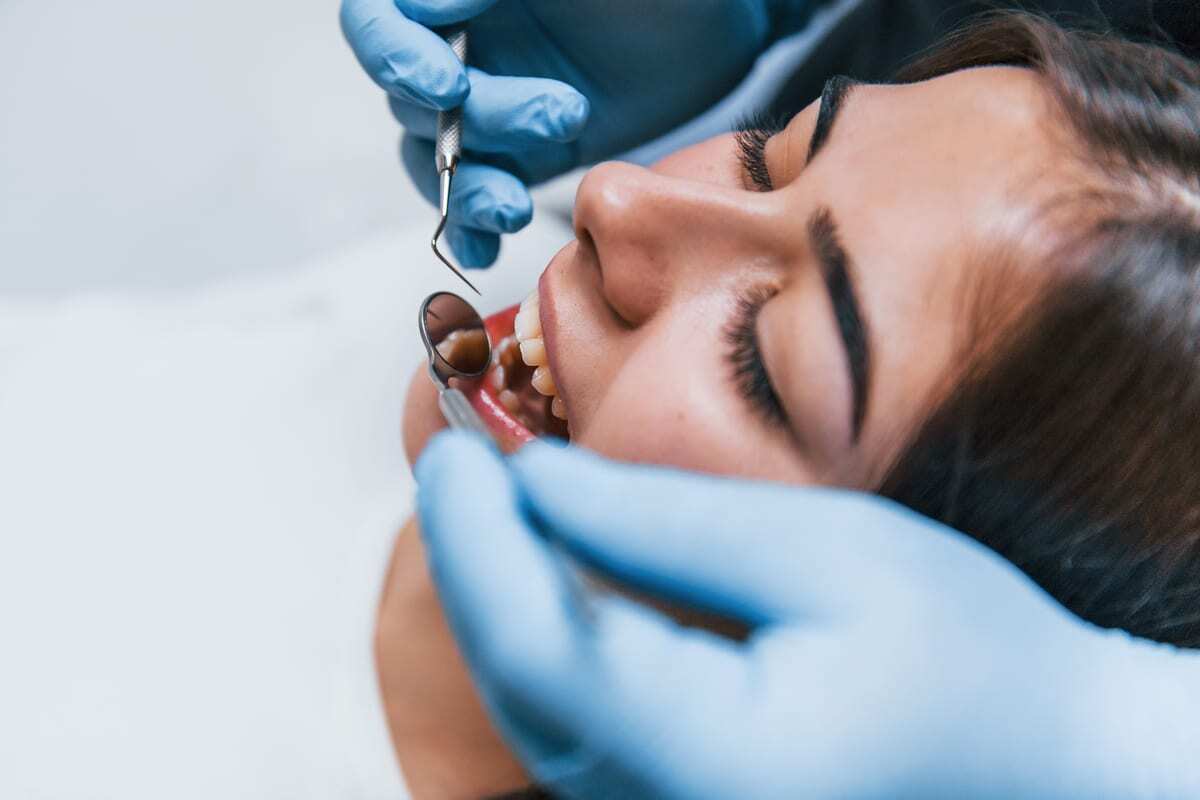
The gumline is where cleanings get most intensive. Hygienists focus on this area to remove hardened tartar that brushing cannot eliminate. Instruments like scalers and ultrasonic tools work precisely at and just below the gumline.
If your gums are inflamed, even light touch can feel sharp or uncomfortable. Inflammation increases blood flow to the area, making nerves more reactive. Once inflammation resolves after a thorough cleaning, sensitivity often improves significantly.
Patients who skip regular Dental Exams Cleanings Tualatin appointments sometimes experience more sensitivity. Longer gaps between visits allow more tartar to accumulate. More buildup means more intensive cleaning is needed, which increases temporary discomfort. Consistent six-month visits keep buildup minimal and cleanings gentler.
What Our Team Does to Minimize Sensitivity During Your Cleaning
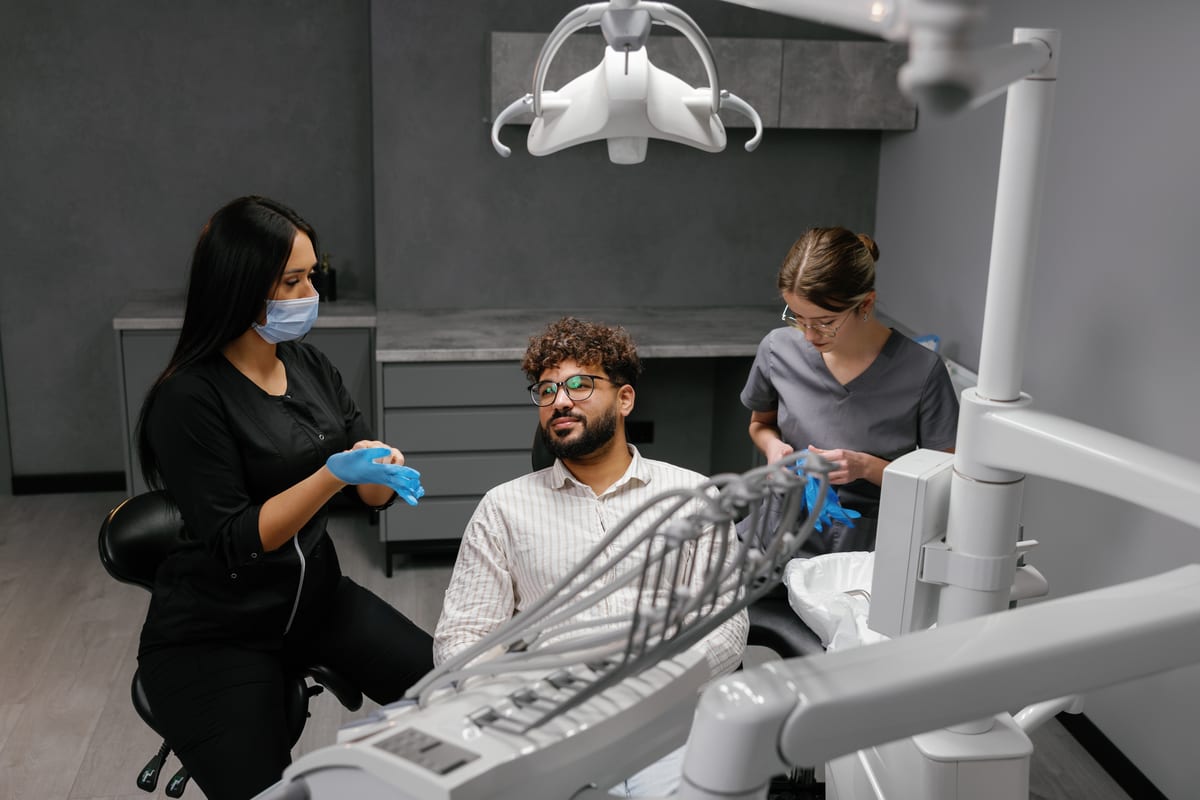
Our hygienists in Tualatin are trained to recognize and respond to sensitivity throughout your appointment. We start by reviewing your health history and asking about any changes in tooth sensitivity. This helps us plan the cleaning technique before we begin.
Here is what we do to keep you comfortable:
- Apply a topical desensitizing gel to sensitive areas before cleaning
- Use ultrasonic scalers on a gentle setting for initial tartar removal
- Switch to hand instruments when more precision is needed near sensitive spots
- Take short breaks if discomfort becomes noticeable
- Rinse with warm water instead of cold to reduce temperature-triggered sensitivity
- Recommend desensitizing toothpaste for patients with chronic sensitivity
Communication is key throughout your appointment. Please tell us if something hurts. We can adjust pressure, change instruments, or pause as needed. You are always in control of your comfort during your visit.
How to Reduce Sensitivity Before and After Your Appointment
Preparation can make a real difference. Starting a desensitizing toothpaste two weeks before your cleaning helps block nerve signals in sensitive teeth. Look for products containing potassium nitrate or stannous fluoride.
Avoid very cold or hot foods the day before your appointment. Temperature extremes can heighten nerve reactivity. On the day of your visit, eat normally but avoid acidic foods like citrus or soda that can temporarily soften enamel.
After your cleaning, some mild sensitivity is normal. It usually fades within 24 to 48 hours. Rinsing with warm salt water can soothe irritated gum tissue. Avoid whitening products or abrasive toothpastes for a day or two following your appointment.
If you have missing teeth, you may also experience sensitivity shifts in surrounding teeth. Dental Implants Tualatin can restore structure and help stabilize nearby teeth, reducing unusual pressure during cleaning.
When Sensitivity During Cleaning Is a Warning Sign
Occasional sensitivity during a cleaning is normal. However, sharp or lingering pain can indicate something more serious. If you feel intense pain during scaling, that may suggest gum disease, a cracked tooth, or advanced enamel erosion.
Dr. Molly Francis recommends sharing any unusual pain with your hygienist right away. We can pause, assess the area, and determine whether further evaluation is needed. Sometimes a cleaning reveals an area that needs a follow-up exam or treatment.
Sensitivity that persists for more than a week after a cleaning also warrants attention. This could signal early-stage tooth decay, a failing restoration, or underlying nerve involvement. Catching these issues early leads to simpler, less invasive treatment.
Regular preventive visits are the best way to stay ahead of these problems. When we see you consistently, we track changes over time and catch concerns before they escalate into bigger issues.
Frequently Asked Questions
Is it normal for teeth to hurt during a cleaning?
Yes, mild discomfort or sensitivity during a cleaning is very common. It often relates to gum inflammation, exposed dentin, or tartar buildup near the gumline. Most sensitivity fades within a day or two after your appointment. If pain is sharp or lasts longer, let your hygienist or Dr. Francis know.
What can I do to make my cleaning less painful?
Use a desensitizing toothpaste for at least two weeks before your appointment. Avoid acidic and very cold or hot foods the day before. Tell your hygienist about any sensitive areas at the start of your visit. We can adjust our technique to keep you comfortable throughout the cleaning.
Why do my teeth feel more sensitive if I skip cleanings?
When cleanings are delayed, tartar builds up more extensively. Removing heavy tartar requires more pressure and more time. This increases temporary sensitivity during and after the appointment. Keeping up with regular six-month visits keeps buildup light and cleanings much gentler.
Can gum disease cause sensitivity during cleaning?
Yes. Gum disease causes inflammation and tissue breakdown that exposes root surfaces. Those exposed roots are especially sensitive to touch and temperature. Treating gum disease with thorough cleanings and good home care typically reduces sensitivity over time as gum health improves.
Does Dr. Francis offer any treatments for ongoing tooth sensitivity?
Absolutely. At Lakeside Family & Cosmetic Dentistry in Tualatin, we offer several options depending on the cause. These include fluoride treatments, desensitizing agents applied in-office, and protective restorations for worn teeth. Dr. Francis will evaluate your specific situation and recommend the most effective solution for long-term relief.
Tooth sensitivity during a cleaning does not have to be something you dread. Our team at Lakeside Family & Cosmetic Dentistry is here to make every appointment as comfortable as possible. Book Now to schedule your appointment with our team.